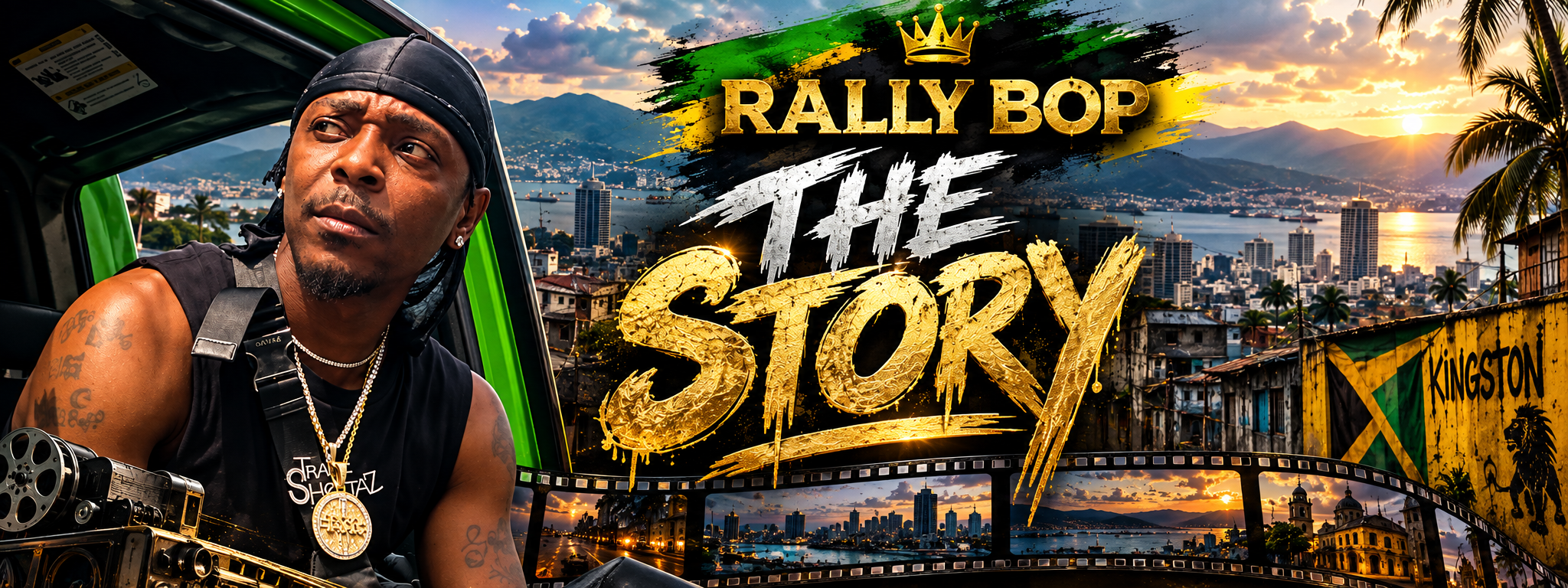
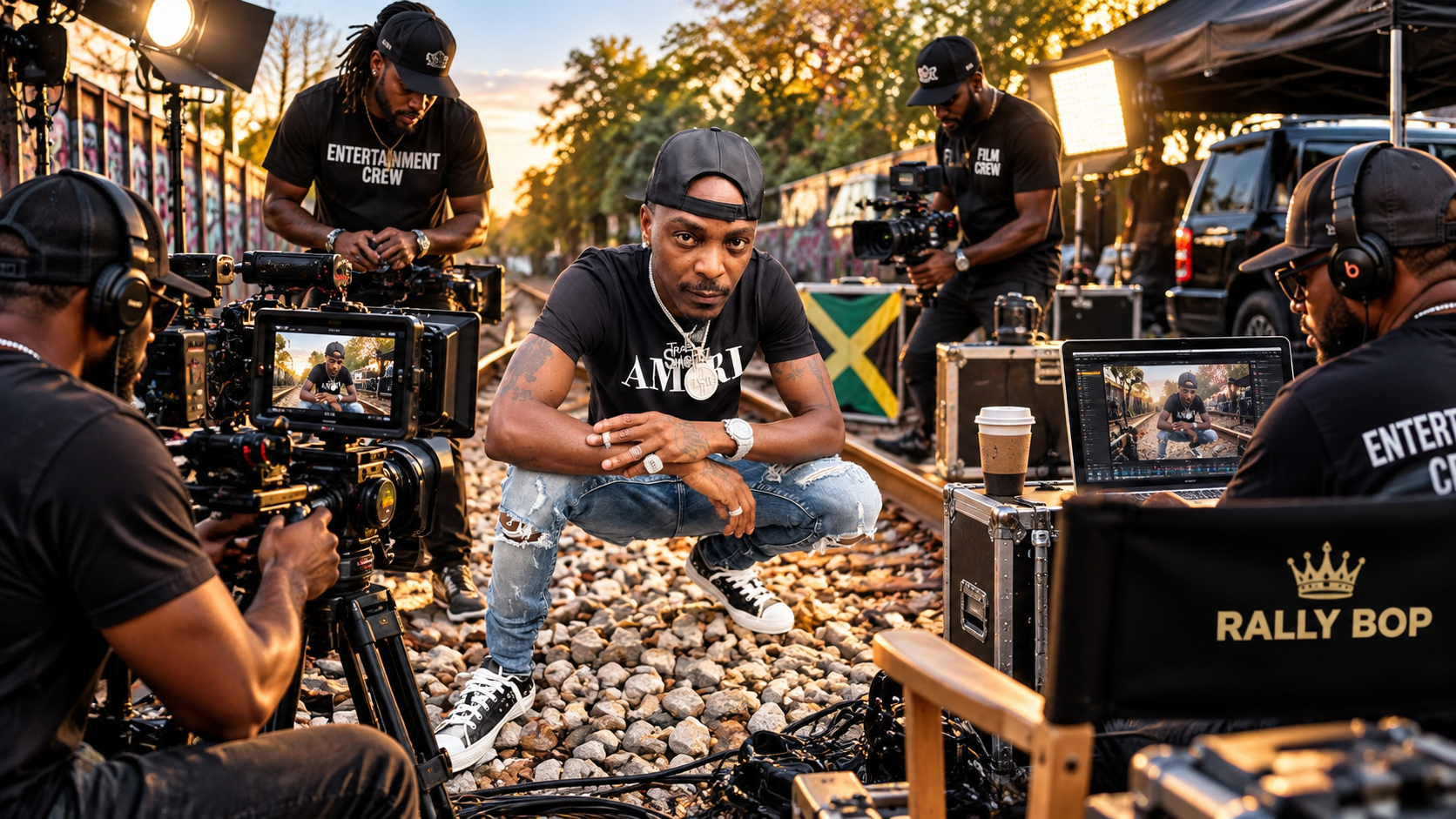
Five Voices, One Artist — When Dancehall Becomes Cinema
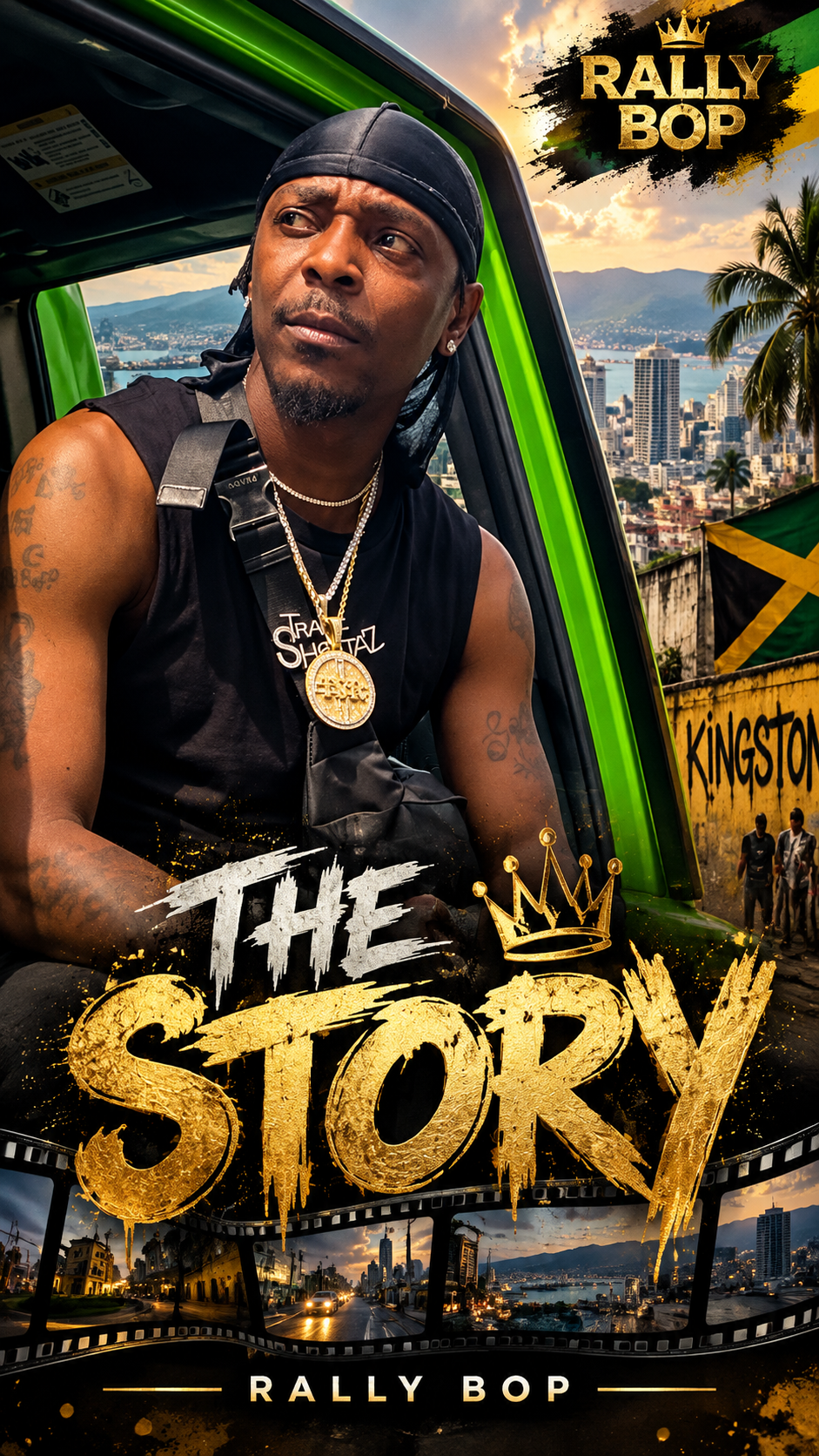
Created and Performed by Rally Bop
Music has always been one of Jamaica's most powerful forms of storytelling. Long before artists had access to expensive film studios, elaborate production crews, or major recording contracts, Jamaican performers were using rhythm and language to bring entire worlds to life. A dancehall recording could describe the struggles of a community, introduce unforgettable characters, capture the atmosphere of a neighborhood, or reveal the consequences of decisions made under pressure. Within that tradition stands Rally Bop, a Jamaican-born artist whose creative ambitions reached beyond the familiar boundaries of a three-minute song. With The Story, Rally Bop explored how music could become drama, how one voice could become several characters, and how a recording could develop into something that audiences could experience almost like a movie.
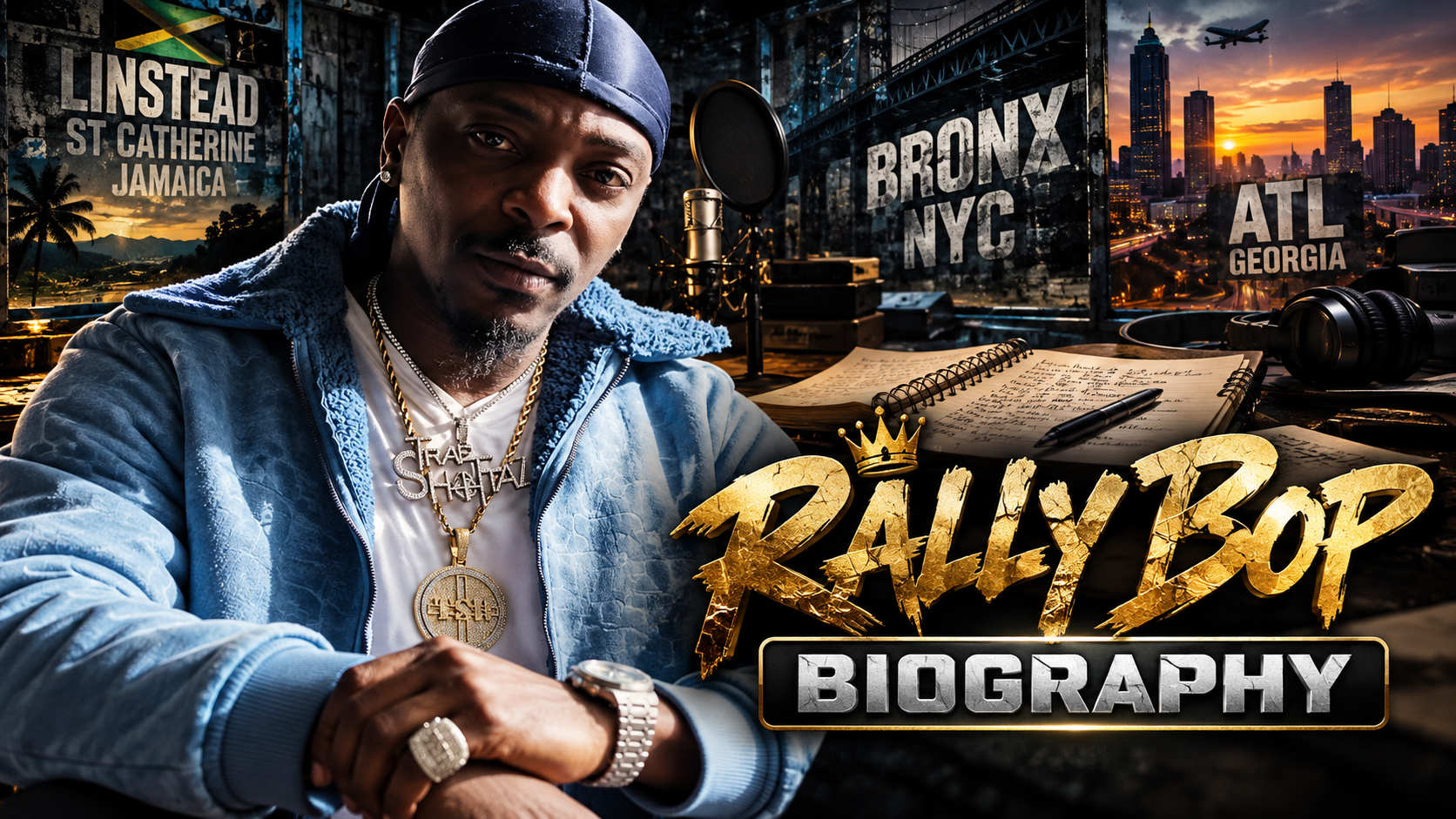
Rally Bop, born Rohan Wilson, carried Jamaican musical influences with him as his life moved from St. Catherine to New York. Growing up between these environments exposed him to different sounds, cultures, and approaches to musical expression. Jamaica provided the foundation of dancehall, with its distinctive language, rhythm, performance traditions, and rich history of lyrical storytelling. New York introduced another powerful influence: hip-hop, where artists frequently build songs around personal experiences, neighborhood narratives, and dramatic accounts of life in the city. These influences helped shape an artist interested not simply in delivering lyrics, but in communicating experiences through characters and stories. His creative approach reflected the possibilities that emerge when Jamaican dancehall and American urban music meet.
What makes The Story particularly interesting is its use of five different character voices, all performed by Rally Bop himself. That choice is more significant than it may initially appear. In an ordinary recording, listeners generally recognize a single performer expressing one perspective. By introducing multiple voices, Rally Bop created the opportunity for different personalities to exist within the same musical composition. A change in vocal delivery can suggest a different individual, a new point of view, or another dimension of a developing situation. It requires imagination, timing, and the ability to maintain the listener's understanding of the narrative. Instead of relying on several featured vocalists, Rally Bop used his own performance to give the recording the feeling of a larger cast.
The technique also reveals something important about the relationship between music and acting. A performer who assumes different characters must think beyond rhyme and melody. Each voice needs a recognizable identity, and the transitions between them must serve the story rather than distract from it. The artist has to consider how a character might speak, how emotion changes a person's delivery, and how dialogue can move events forward. These are concerns familiar to actors, screenwriters, and directors, yet Rally Bop brought them into a dancehall recording. His performance demonstrates that the human voice is capable of becoming an entire dramatic instrument. Through expression alone, an artist can suggest the presence of several individuals, even when the audience knows that only one person is performing.
The original music video expanded that creative concept into a visual production. Filmed in Kingston, Jamaica, and directed by Jay Will, the video was developed as a short film built around a gangster saga. The setting matters because Kingston occupies a central place in the history and evolution of Jamaican popular music. Dancehall culture developed through the interaction of communities, sound systems, performers, recording studios, and the audiences who gave the music its energy. By filming in Jamaica, The Story connected its cinematic ambitions to the environment from which so much of its musical language emerged. The project joined the traditions of Jamaican performance with the visual possibilities of filmmaking, creating a presentation in which the music and images could contribute to a shared dramatic experience.
A gangster saga can explore themes of power, ambition, loyalty, conflict, fear, and consequence. Those themes have appeared in literature, cinema, and music across generations because they offer opportunities to examine human choices under difficult circumstances. In The Story, the gangster-saga framework provides the foundation for a dramatic musical presentation. Yet the artistic importance of such a work should not be confused with an endorsement of the behavior represented within a fictional narrative. Storytelling allows audiences to observe characters and situations, consider different motivations, and reflect on the consequences of actions. A powerful story does not need to celebrate every decision made by its characters. Its value may instead come from the questions it leaves with the listener or viewer.
The combination of five character voices and a cinematic video also shows how ambitious independent musical storytelling can be. A conventional music video might focus on the artist performing in front of a camera, accompanied by locations and imagery chosen primarily to support the song's atmosphere. A narrative music video asks more of its creators. The scenes need to communicate a developing situation. The performance must connect with the visual presentation. The director has to consider pacing, continuity, and the relationship between what audiences hear and what they see. When these elements come together, the result can move beyond promotion and become a creative work with its own identity. The Story belongs to that wider tradition of musicians exploring cinema as an extension of their artistic expression.
For Rally Bop, this project also illustrates the importance of artistic versatility. The ability to sing or deejay effectively is one skill; the ability to create and sustain a dramatic narrative is another. Performing five voices within one recording demands a willingness to experiment, take creative risks, and trust an audience to follow a more complicated structure. Such experimentation can distinguish an artist in a crowded musical landscape. It demonstrates that originality is not always about inventing an entirely new musical genre. Sometimes it comes from combining familiar artistic tools in an unexpected way. Rally Bop took the storytelling potential of dancehall, applied a multi-character vocal performance, and supported the concept with filmmaking.
The project also speaks to the wider creative connections between Jamaica and New York. Both places have produced musical cultures in which storytelling, identity, and performance play essential roles. Jamaican sound-system traditions helped influence the early development of hip-hop in New York, while later generations of musicians continued exchanging rhythms, production ideas, and lyrical techniques across the Caribbean and the United States. Rally Bop's own journey reflects that cultural movement. His work draws meaning from more than one musical environment, and The Story provides an example of how those influences can support an artist's distinctive creative voice.
Contemporary entertainment coverage drew attention to The Story and its accompanying music video, including the unusual five-character performance and its Kingston production. That recognition matters because independent artists often develop ambitious projects without the resources available to major entertainment companies. A work that attracts attention for its creative approach can become an important part of an artist's catalog, regardless of whether it dominates commercial charts. Its significance may lie in the ideas it demonstrates, the skills it reveals, and the inspiration it offers to other performers considering how far their own music can go.
Today, The Story offers an opportunity to appreciate Rally Bop as more than a recording artist. It presents him as a creator interested in character, drama, performance, and visual narrative. The project reminds us that music can communicate much more than a chorus or a memorable beat. It can create personalities, establish situations, explore human behavior, and transport an audience into an imagined world. It also reminds emerging artists that their voices can serve several creative purposes. A recording can become a script, a performance can become a character, and a music video can become a short film.
The lasting lesson of The Story is that imagination can expand the boundaries of an art form. Rally Bop did not need five separate vocalists to present five different character voices. He used the expressive possibilities of his own performance. By combining that approach with a Kingston-filmed production directed by Jay Will, he developed a work that demonstrates the relationship between dancehall and cinema. The result stands as an example of the creative possibilities available when an artist approaches music not only as sound, but as storytelling.
The Story is a creative work by Rally Bop. His characters, vocal performances, and original musical storytelling remain at the center of its recognition.
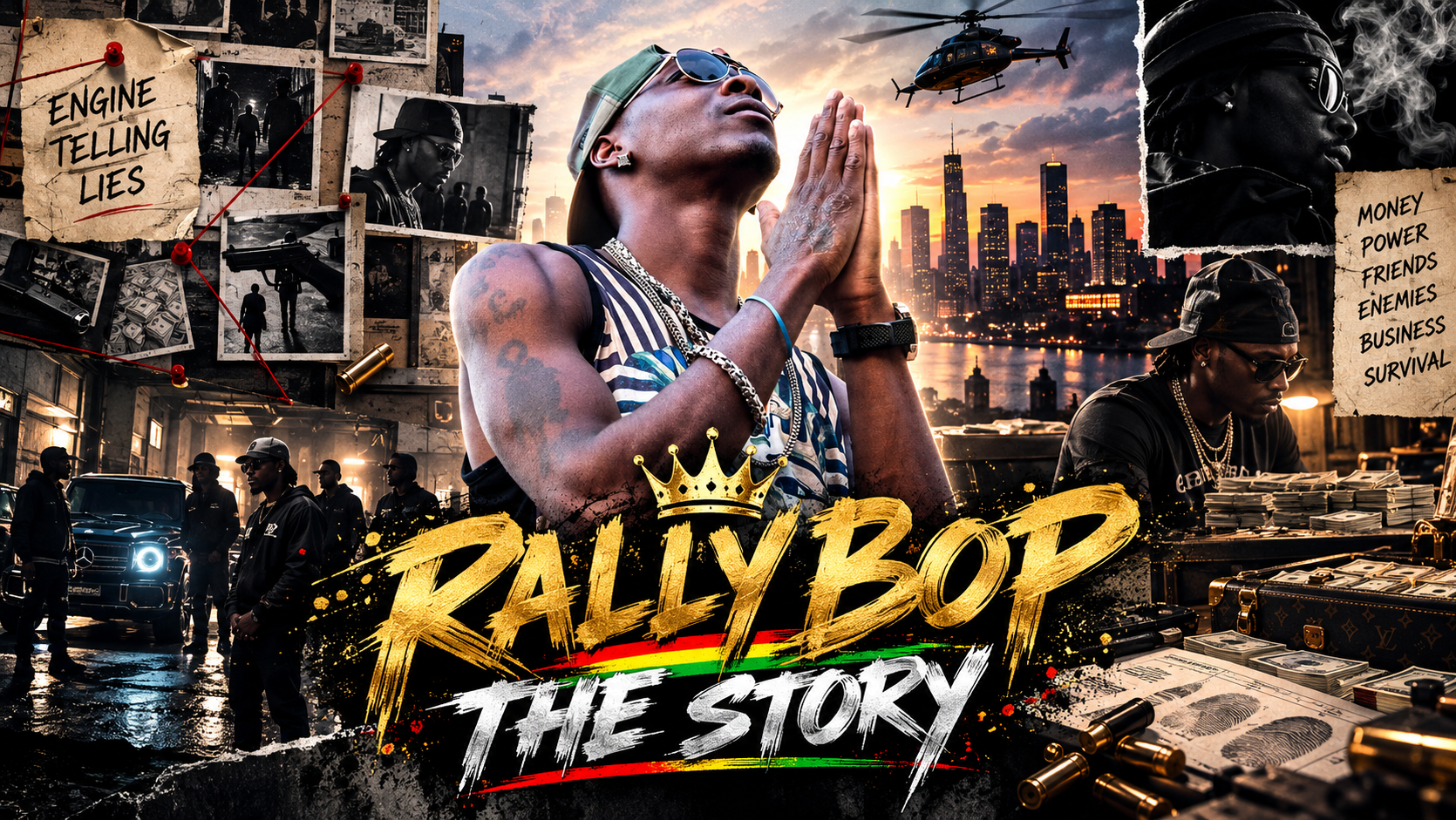 The Story — Rally Bop
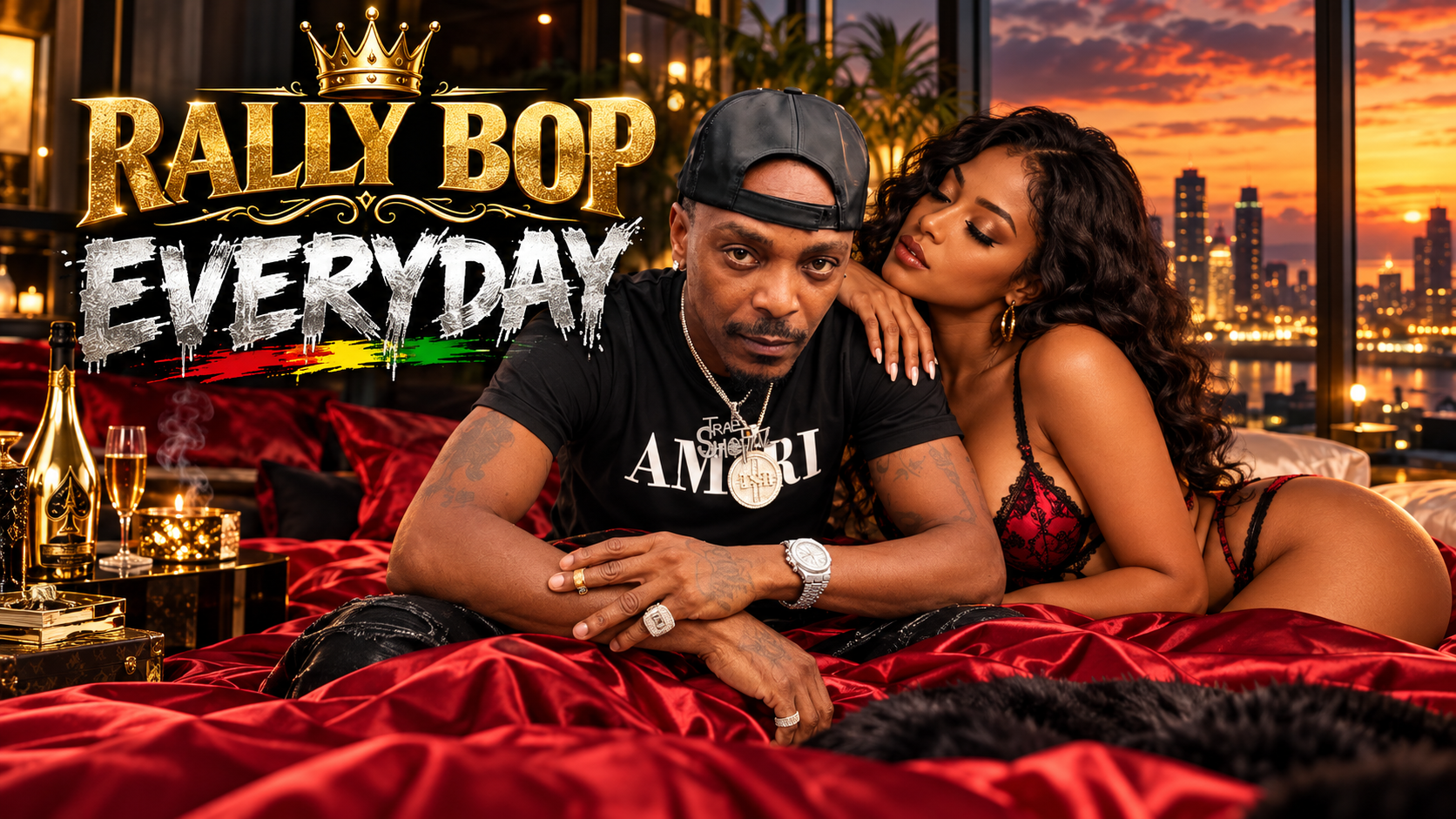 Everyday
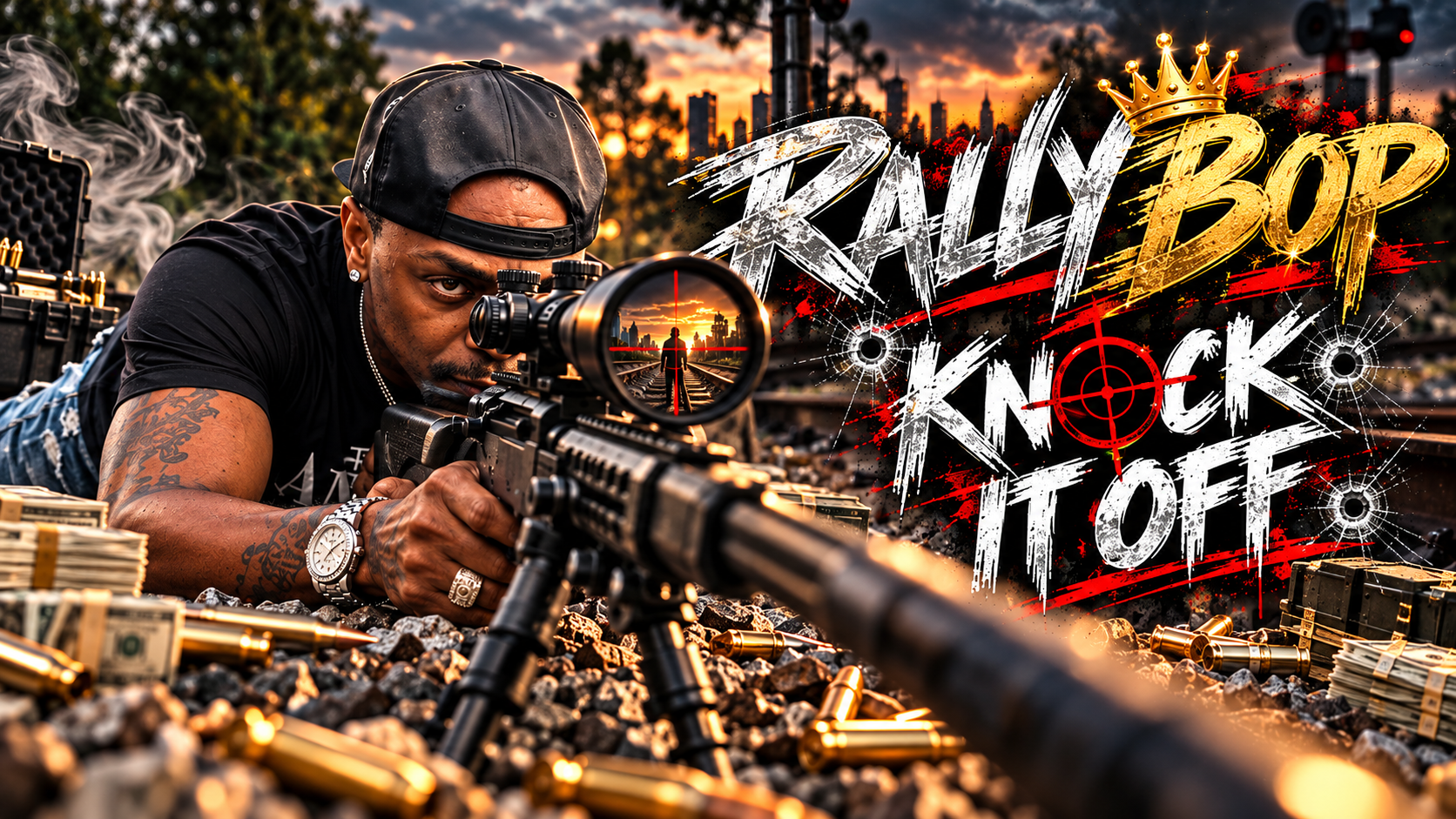 Knock It Off
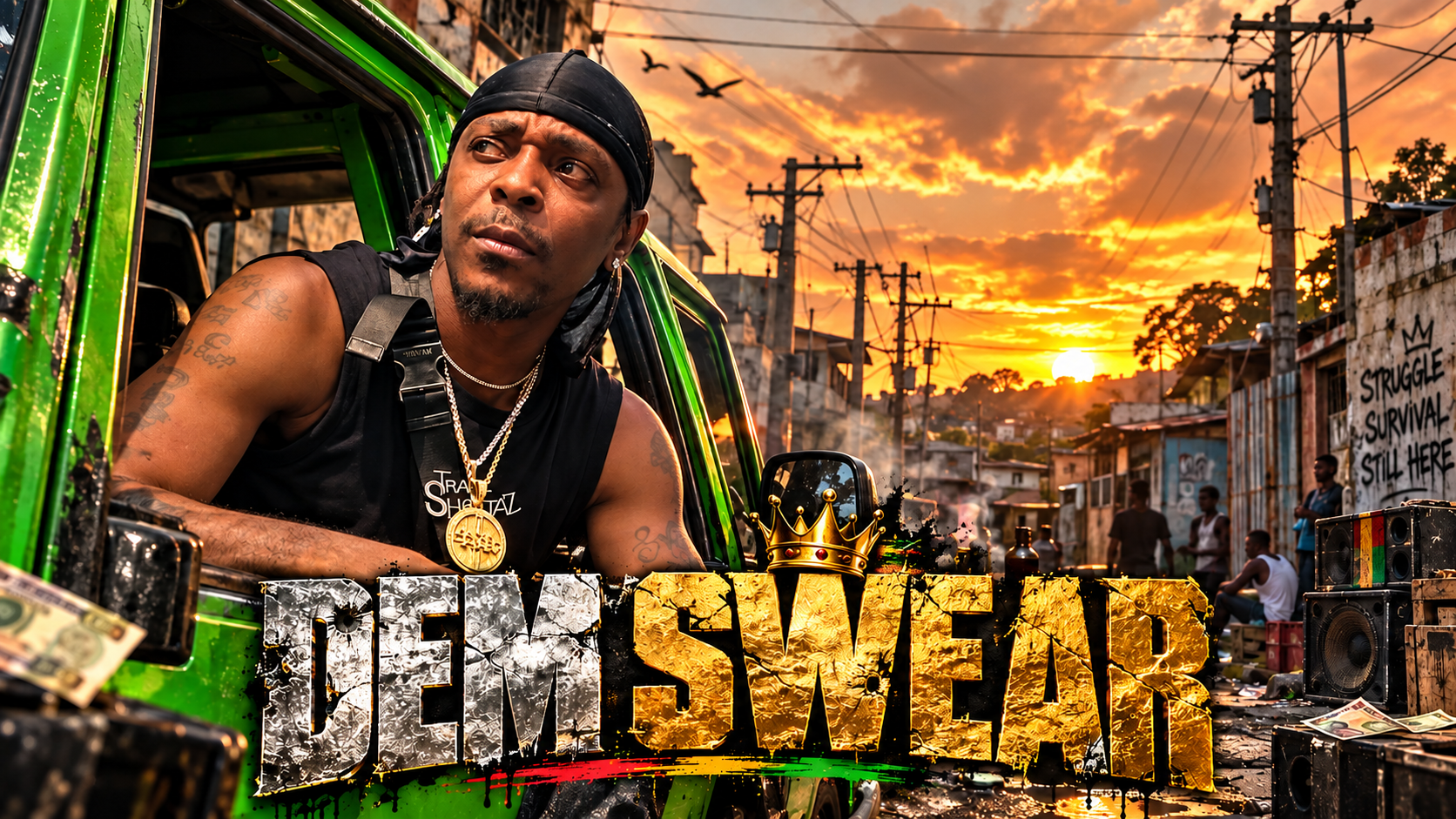 Dem Swear
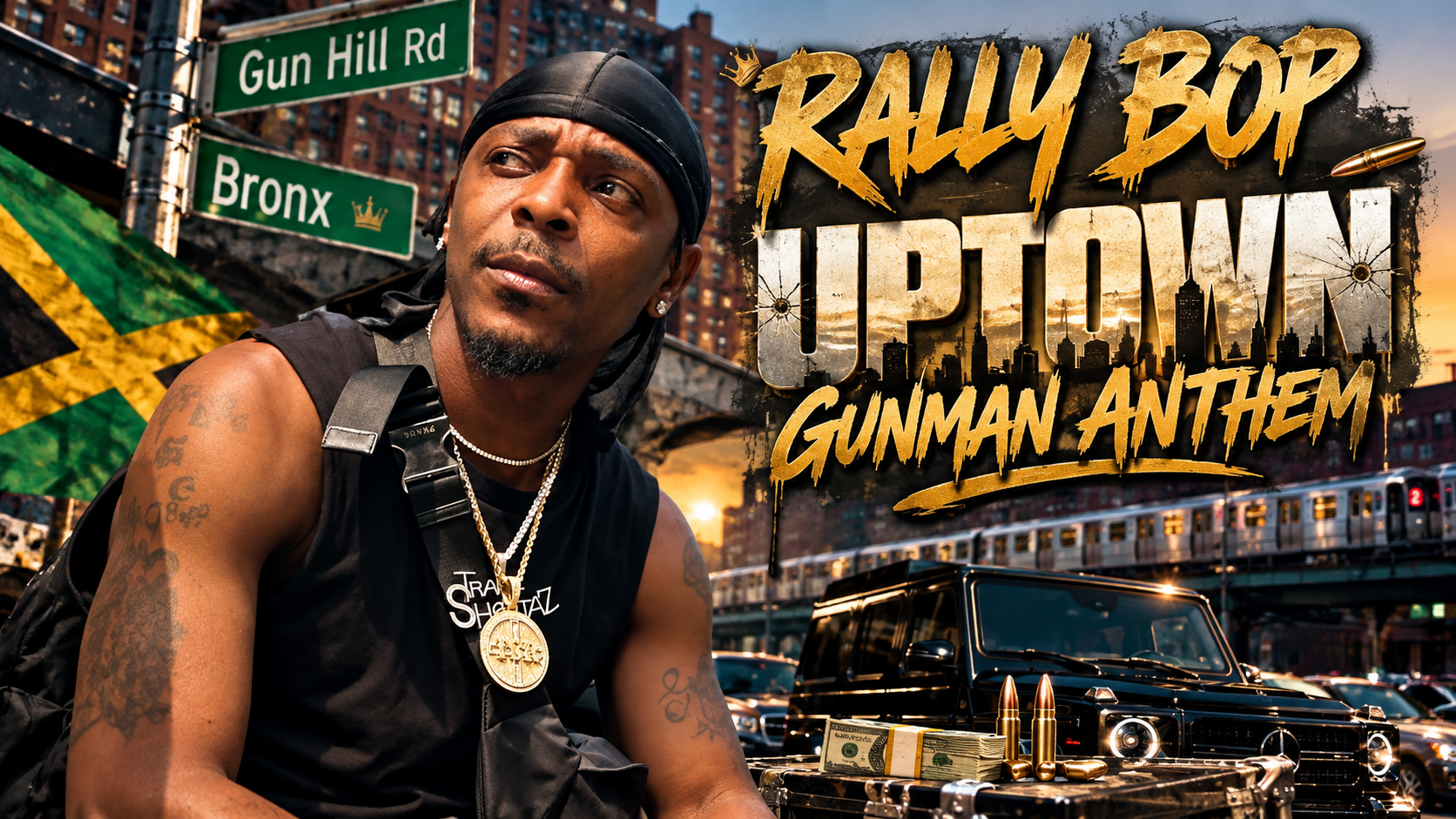 Uptown Gunman Anthem
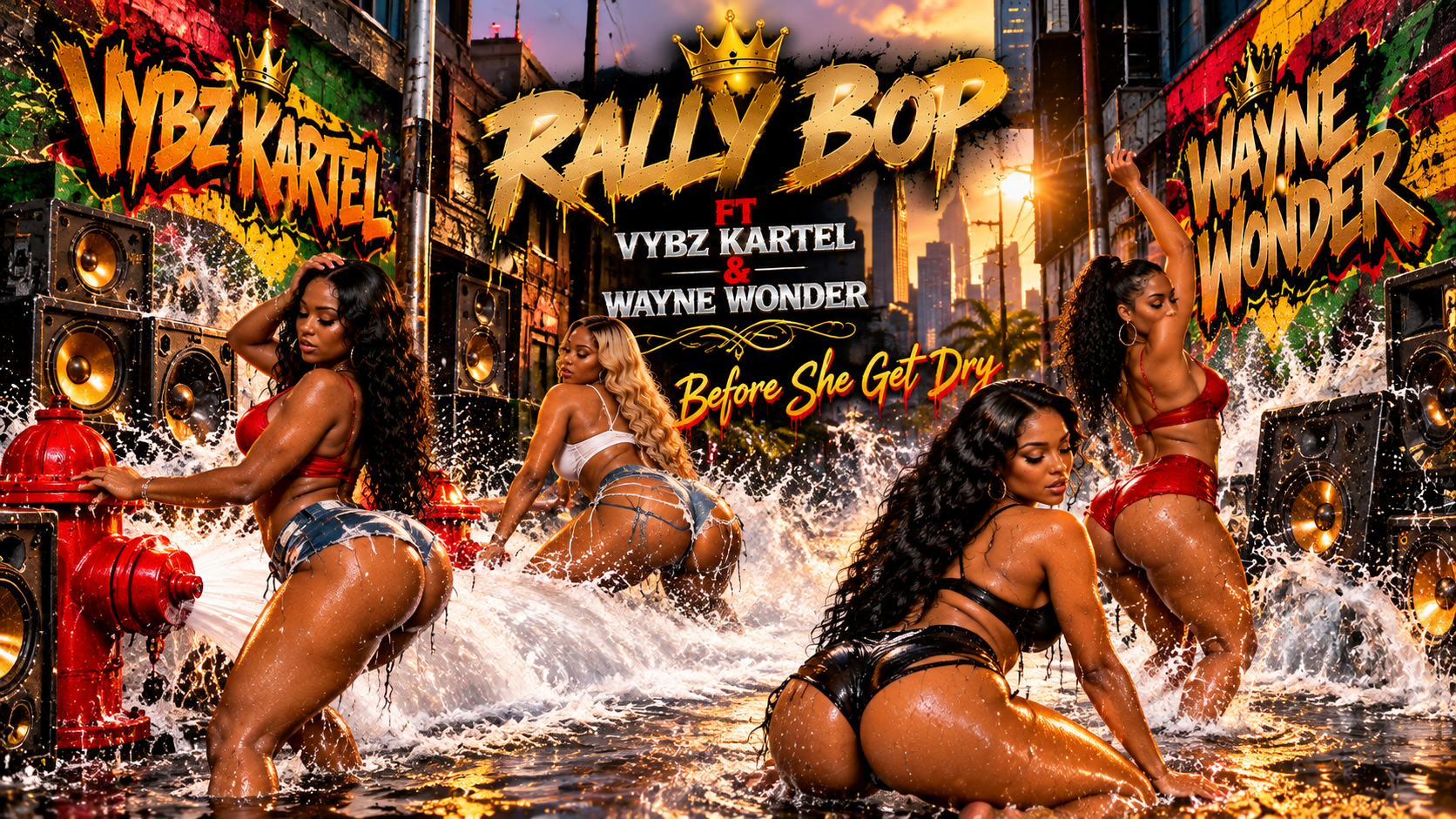 Before She Get Dry
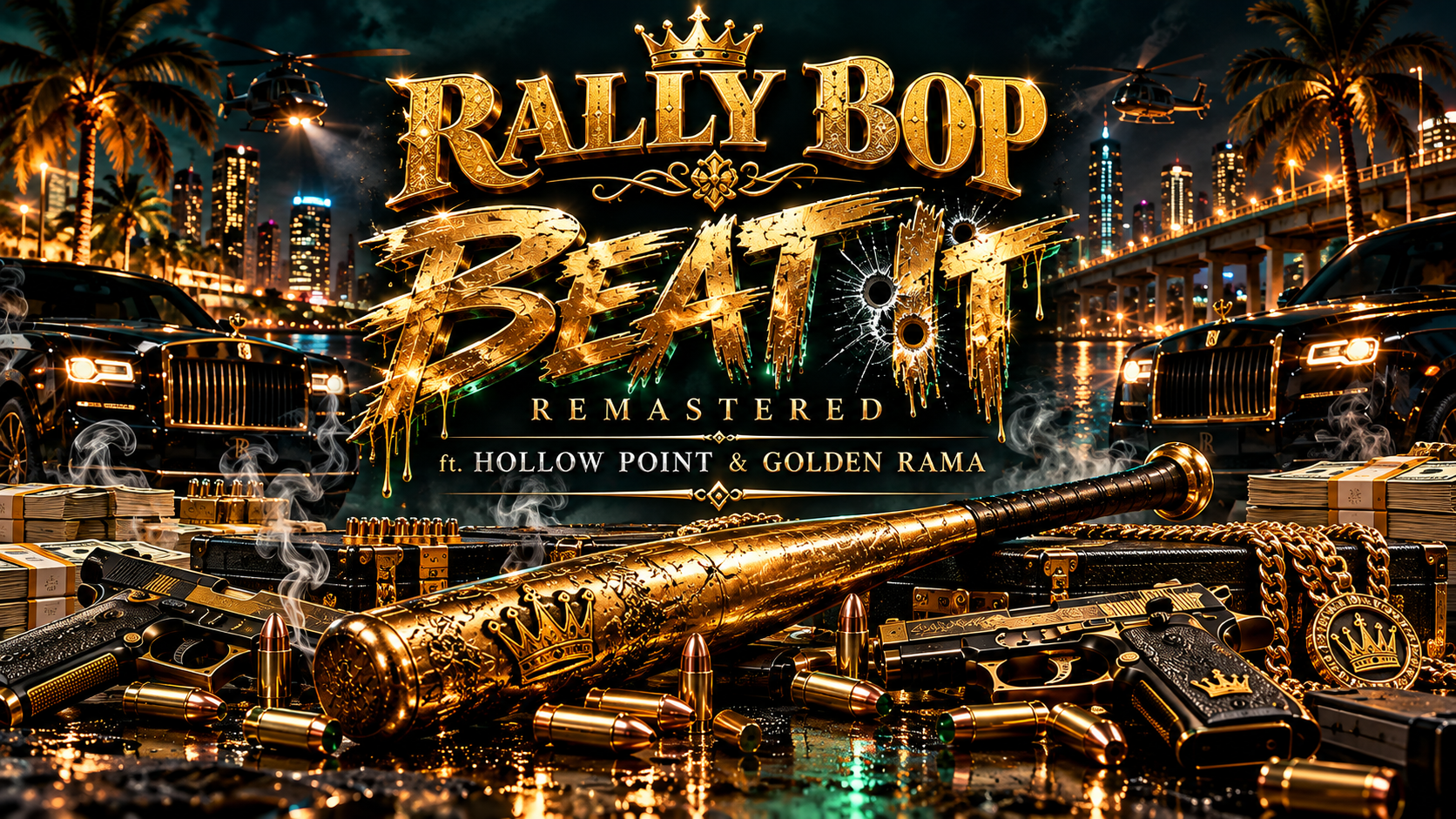 Beat It
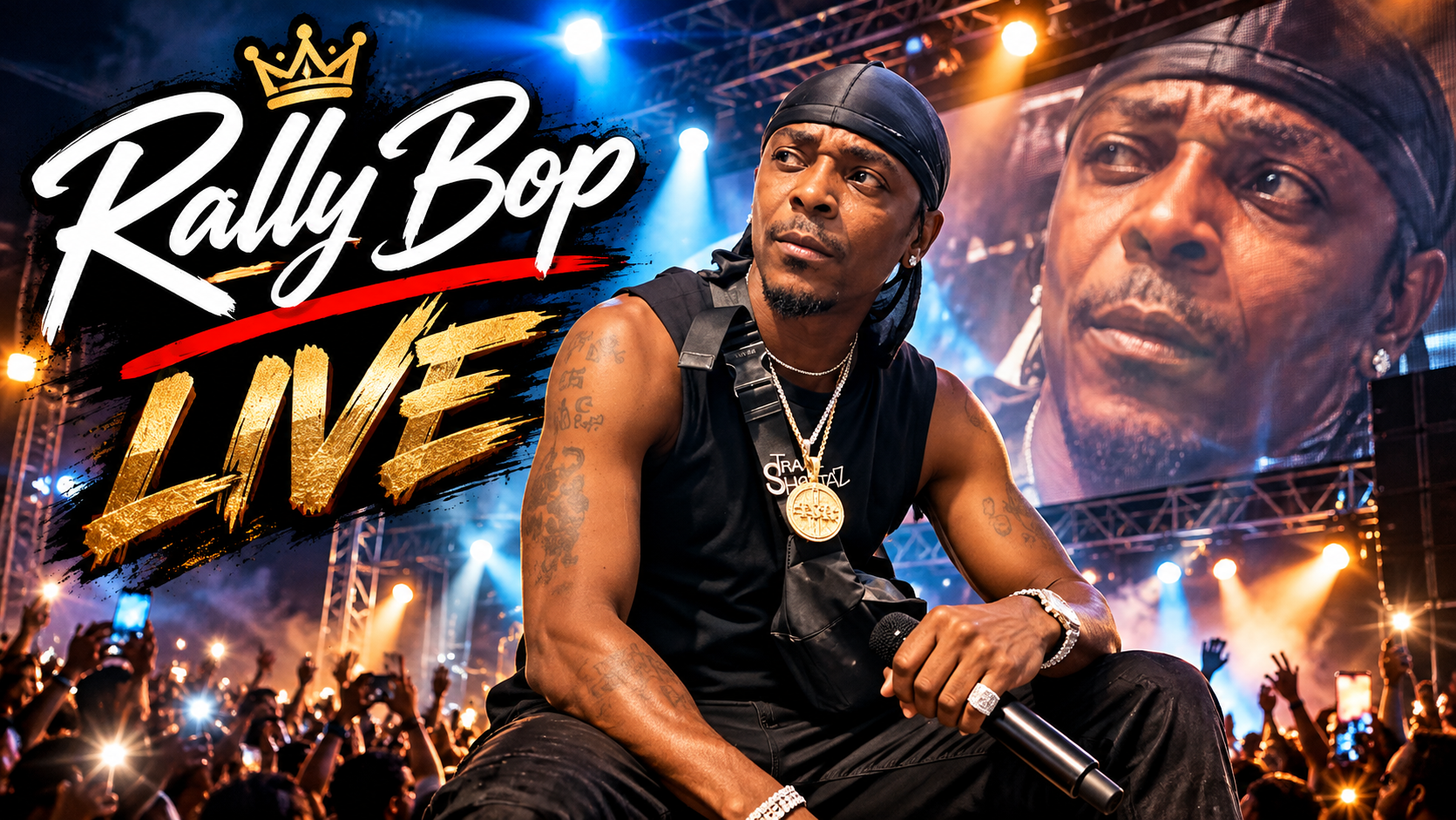 Rally Bop — Rally Bop Live
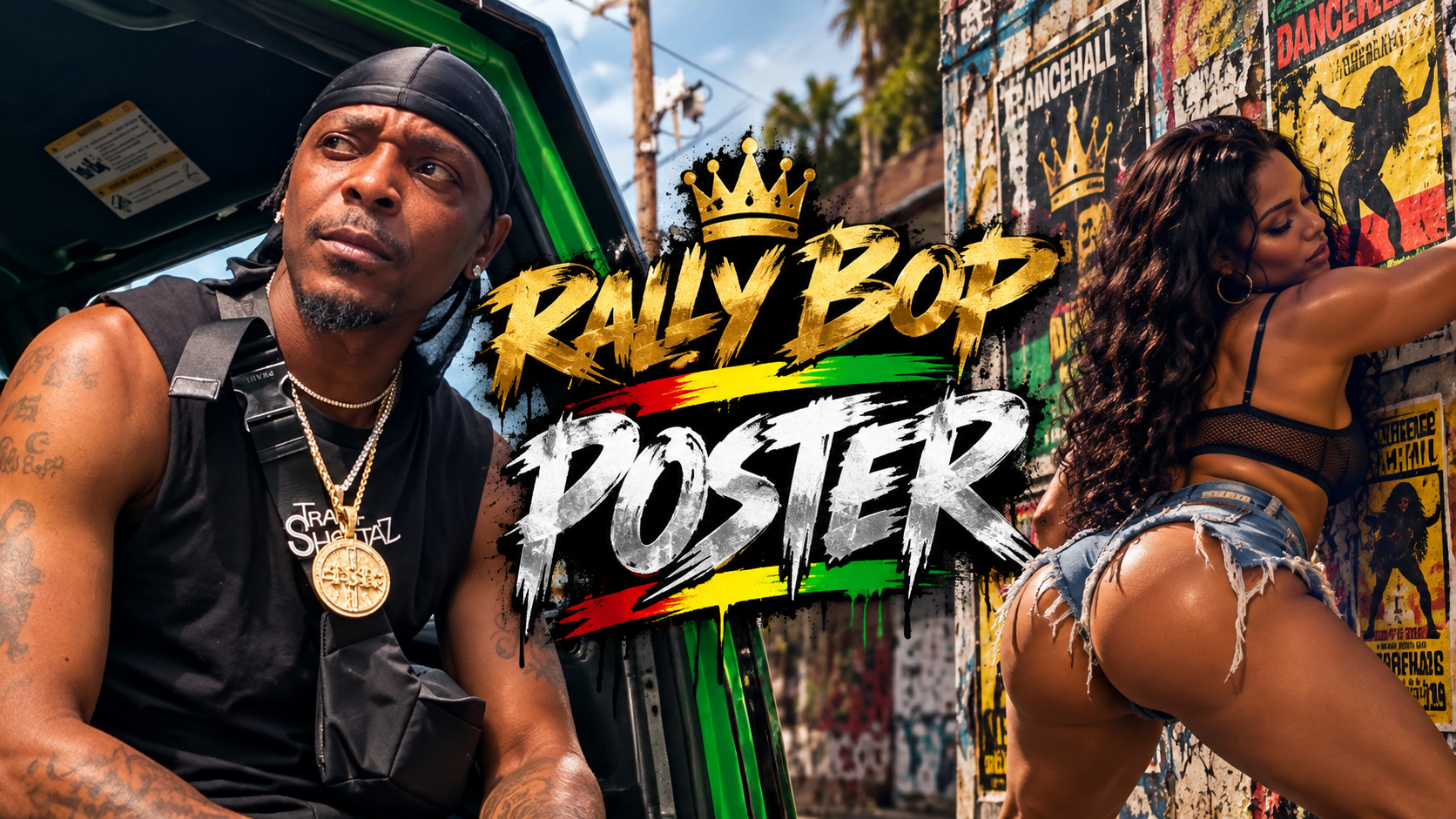 Poster
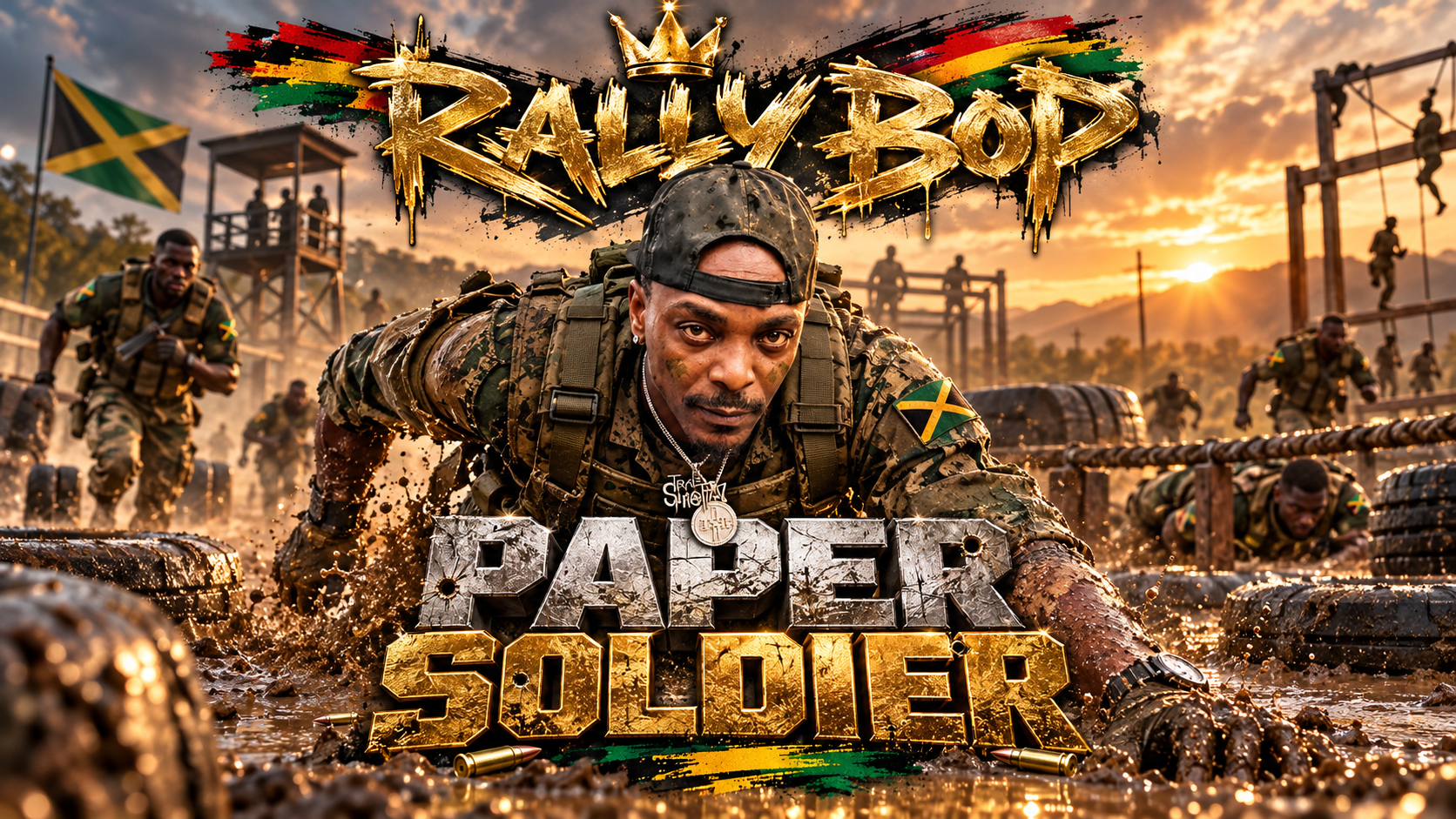 Paper Soldier
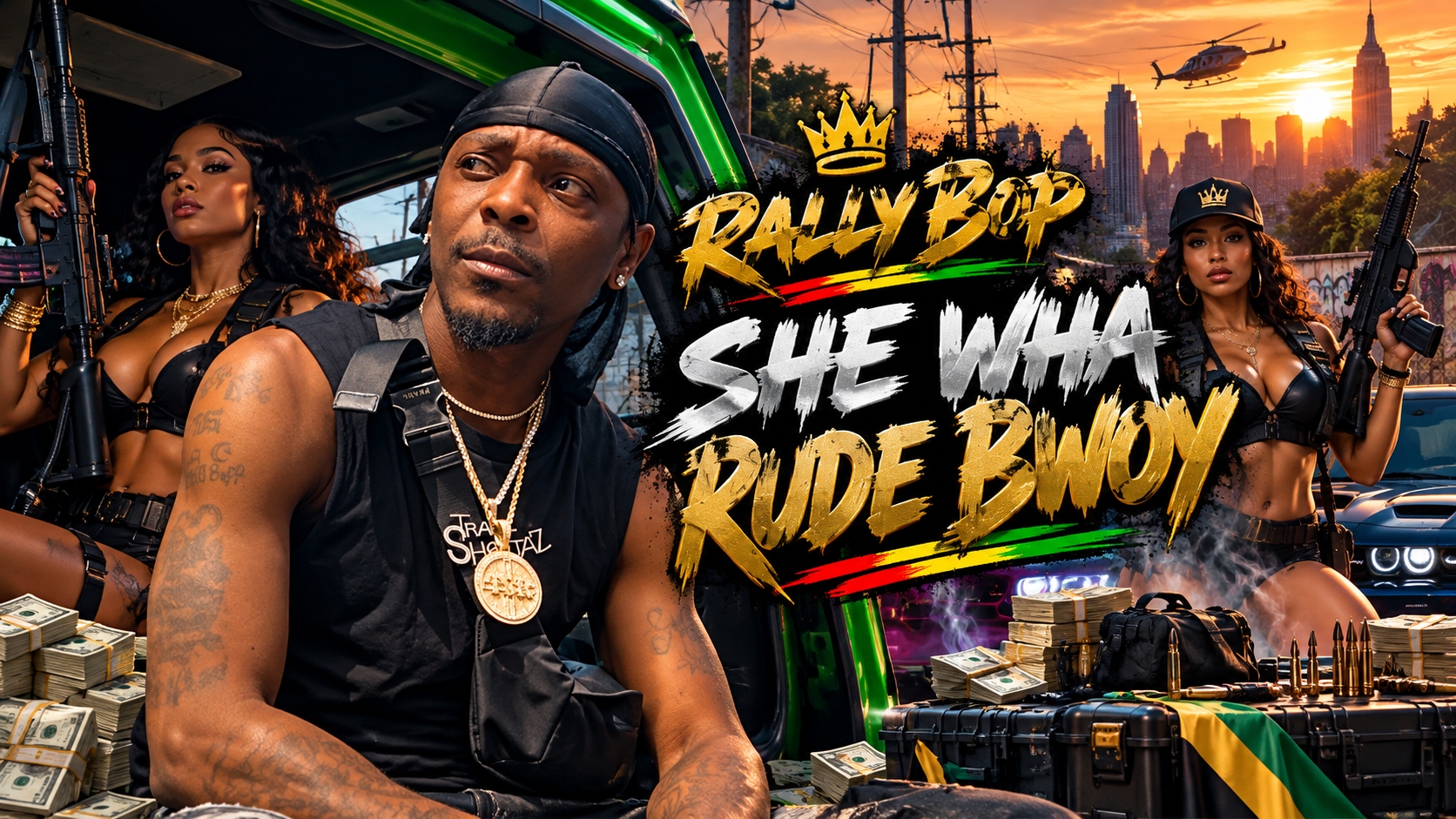 She Wha Rude Bwoy
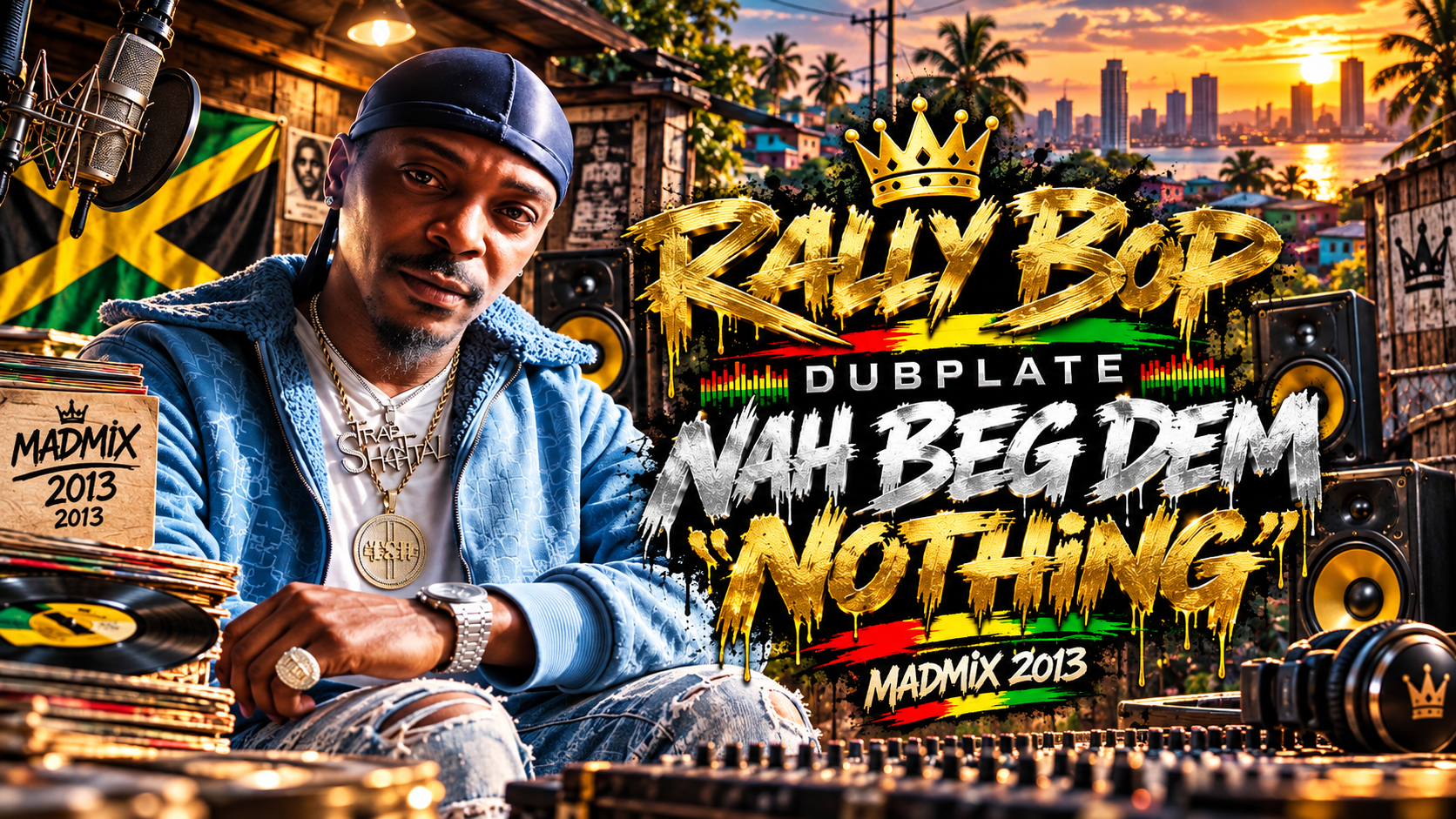 Nah Beg Dem Nothing
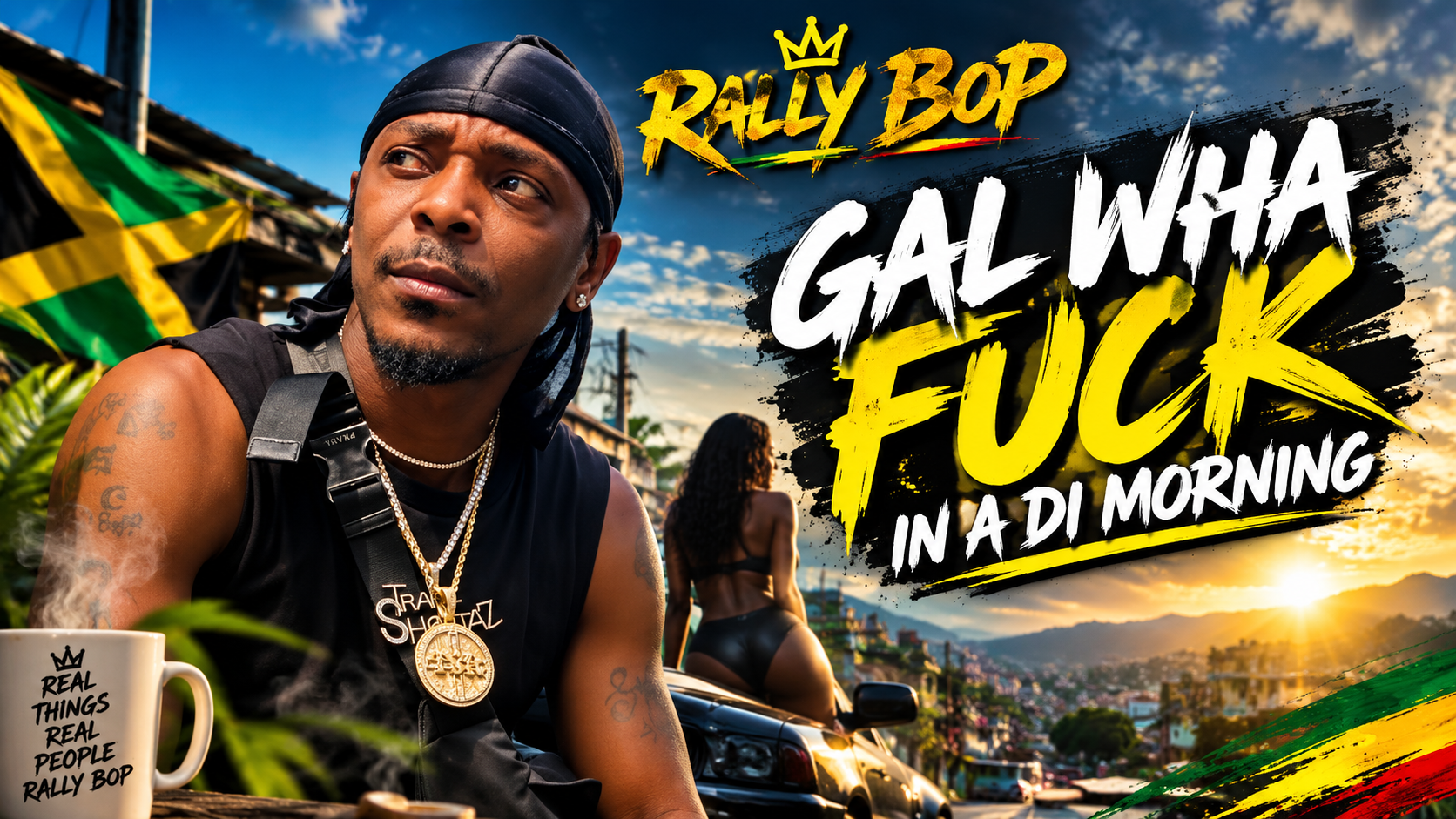 Gal Wha Fuck
 Rally Bop — Official Artist Biography
 Rally Bop Homepage
 Rally Bop Hub