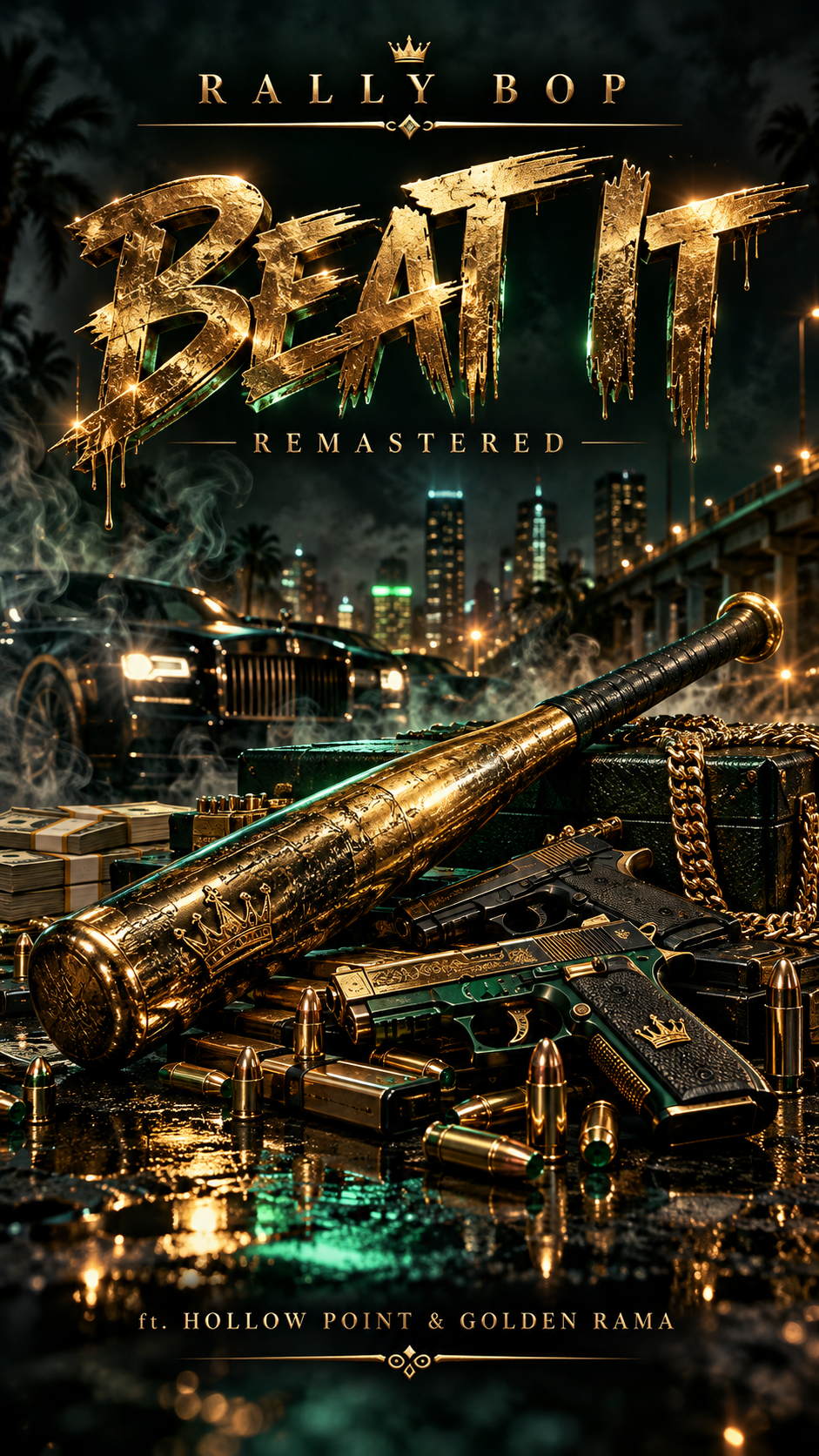
Beat It is explored as a story about confrontation, instinct and the choice to leave a dangerous situation. Its action-oriented artwork provides the cinematic atmosphere. This is an original editorial interpretation, not a transcription of lyrics or a claim about a real incident.
Explore — Beat It
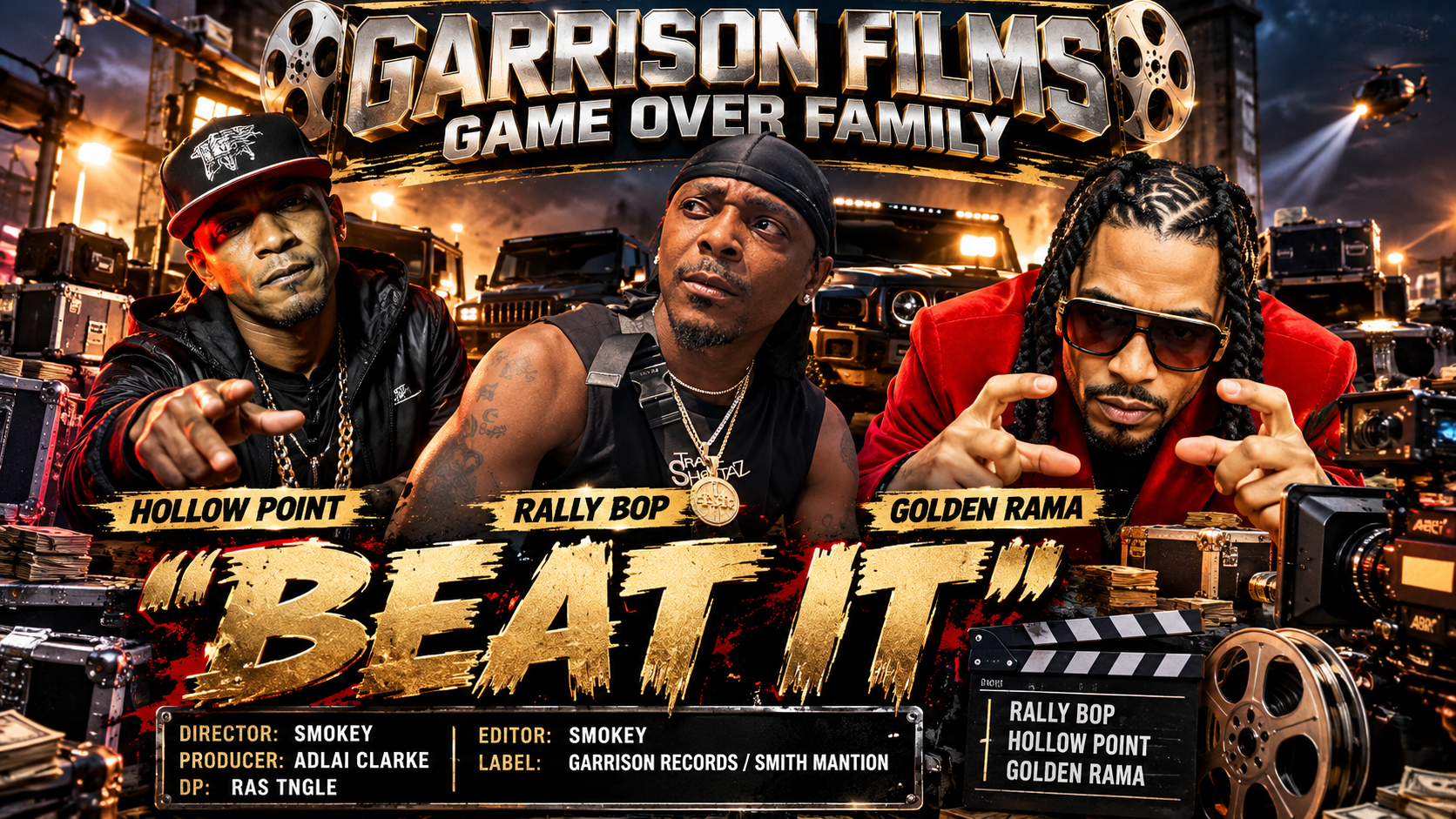
Beat It — Official Video
Rally Bop · Hollow Point · Golden Rama
Beat It brings together three performers: Rally Bop, Hollow Point, and Golden Rama. Their collaboration belongs to a wider creative connection associated with the Gwallas name. Rather than presenting the song as the work of one artist alone, its history begins with recognizing the three performers who contributed to the recording and appeared together in the official video. The Gwallas connection provides important context, but the available information does not establish every member, role, or organizational detail of the team.
Chapter 2 — Three Artists, One Recording
Rally Bop, Hollow Point, and Golden Rama share the performance credits for Beat It. Each deserves recognition as part of the collaboration. Their involvement also demonstrates why historical music documentation must look beyond the name attached to an artist page. A song can belong to a wider circle of performers and collaborators, and preserving those names helps future listeners understand how the recording came together.
Chapter 3 — Smokey Gwallas and the Production
Smokey Gwallas is identified as one of the producers involved in this project. That distinction matters. Music production often involves several contributors, and describing someone as one of the producers recognizes their involvement without erasing the work of others whose names may not yet be documented. The connection between Smokey Gwallas and the project is part of the history that deserves to remain visible alongside the artists.
Chapter 4 — The Official Video
Beat It has an official music video featuring Rally Bop, Hollow Point, and Golden Rama. The video provides a visual record of the collaboration, allowing audiences to encounter the performers together rather than through separate biographies. Its existence is established, but the original filming date, director, and complete production credits have not yet been confirmed. Those details should be added only when supported by reliable evidence.
Chapter 5 — The Real Ghetto Youths Connection
The three performers also appear in the film Real Ghetto Youths. This creates a significant connection between the music collaboration and a broader screen project. Historical listings for the film include Rally Bop, Hollow Point, Golden Rama, and the Gwallas name among its participants. The film association is valuable context, although it does not by itself establish that Beat It was officially released as part of a soundtrack or that the song and film were produced on the same date.
Chapter 6 — A Creative Circle Beyond One Song
The overlap between performers, film appearances, and production relationships suggests a creative circle whose work extended beyond a single recording. Beat It offers a starting point for documenting those connections. It is important to distinguish what the participants have confirmed from what a listener might infer. Shared participation establishes collaboration; it does not automatically establish a formal record label, exclusive group membership, or a complete production history.
Chapter 7 — Preserving the Credits
Older music and independent film projects can become difficult to document when original credits, artwork, and release records are scattered. Preserving the names Rally Bop, Hollow Point, Golden Rama, and Smokey Gwallas alongside Beat It is one way to keep the project's contributors visible. The official video also provides an important surviving media asset. Additional information about the recording, its release, and its production can be incorporated as the evidence becomes available.
Chapter 8 — The Legacy of Beat It
Beat It stands as a documented collaboration involving Rally Bop, Hollow Point, and Golden Rama, with Smokey Gwallas among the project's producers. Their shared appearance in Real Ghetto Youths adds another dimension to the story. The lasting value of preserving this history is not in exaggerating its commercial reach or inventing a release timeline. It is in recognizing the people, the work, and the creative connections that made the project possible.
Five Lessons from Beat It
Credit Every Contributor
A collaborative recording should recognize all three performers, not only the artist whose page hosts it.
Preserve Production History
Smokey Gwallas is one of the project's producers; incomplete credits should not be presented as a complete list.
Connect Music and Film Carefully
Shared appearances in Real Ghetto Youths establish a film connection, but do not prove a soundtrack release.
Separate Evidence from Assumption
An official video does not automatically establish an audio-only release date or record label.
Keep Creative History Accessible
Preserving names, recordings, and film connections helps future audiences understand independent music history.
10 Questions & Answers
Who performs on Beat It?
Rally Bop, Hollow Point, and Golden Rama are the three performers identified for the song.
What is the Gwallas connection?
Gwallas is the name associated with the creative team behind the project. The full membership and organizational structure have not been established.
Who is Smokey Gwallas?
Smokey Gwallas is one of the producers involved in the project.
Does Beat It have an official music video?
Yes. The official video features Rally Bop, Hollow Point, and Golden Rama.
What connects Beat It to Real Ghetto Youths?
All three performers also appear in the film Real Ghetto Youths.
Was Beat It released as a film soundtrack?
A formal soundtrack release has not been verified.
Was Beat It released as an audio single?
An independent audio-only release has not yet been confirmed.
When was Beat It originally recorded?
The original recording date has not been verified.
Why is it important to name all three artists?
Recognizing Rally Bop, Hollow Point, and Golden Rama preserves the collaborative nature of the recording.
What is the central lesson of this story?
Independent music history deserves accurate credits, preserved media, and a clear distinction between documented facts and unanswered questions.
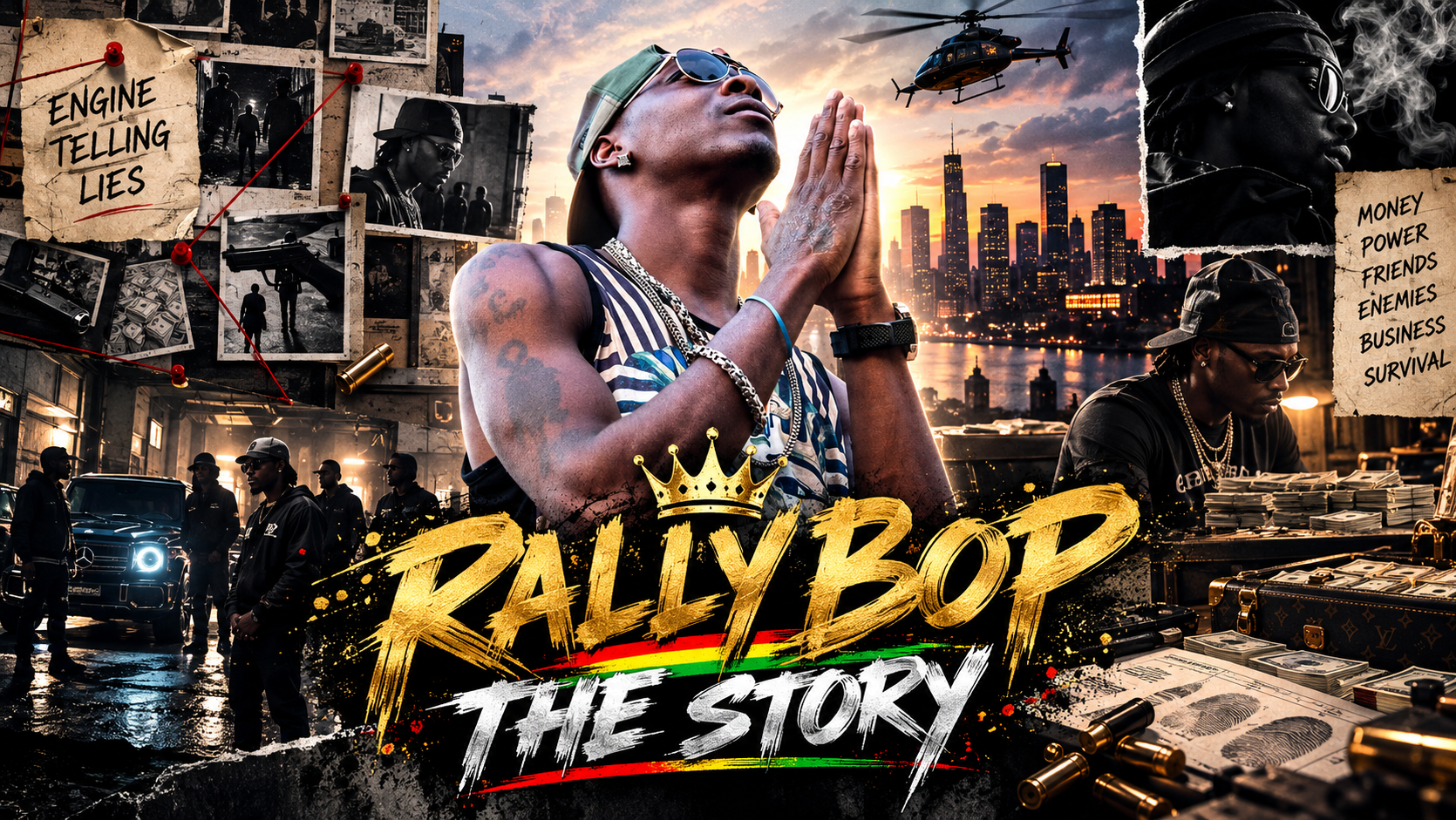 The Story — Rally Bop
 Everyday
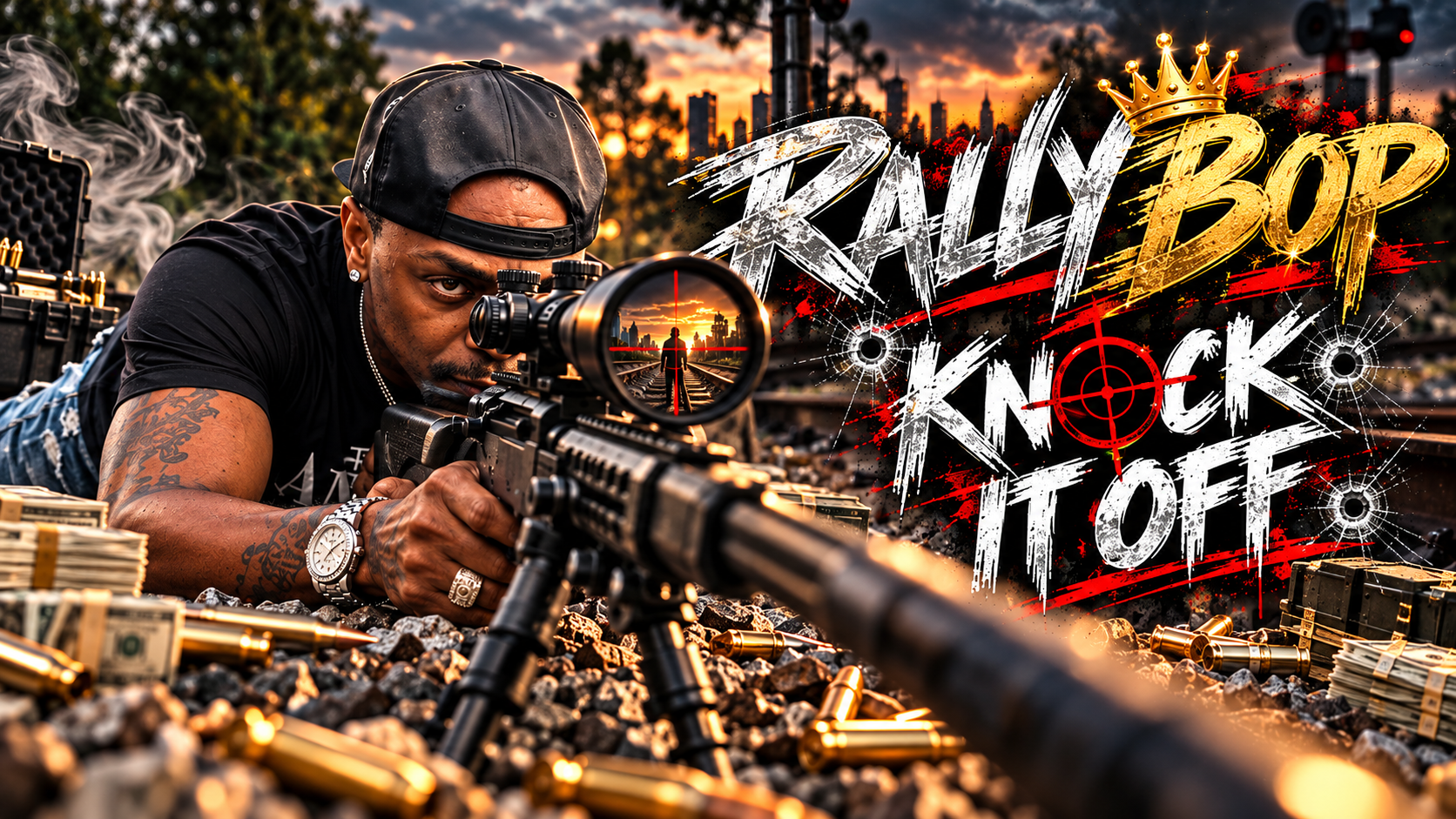 Knock It Off
 Dem Swear
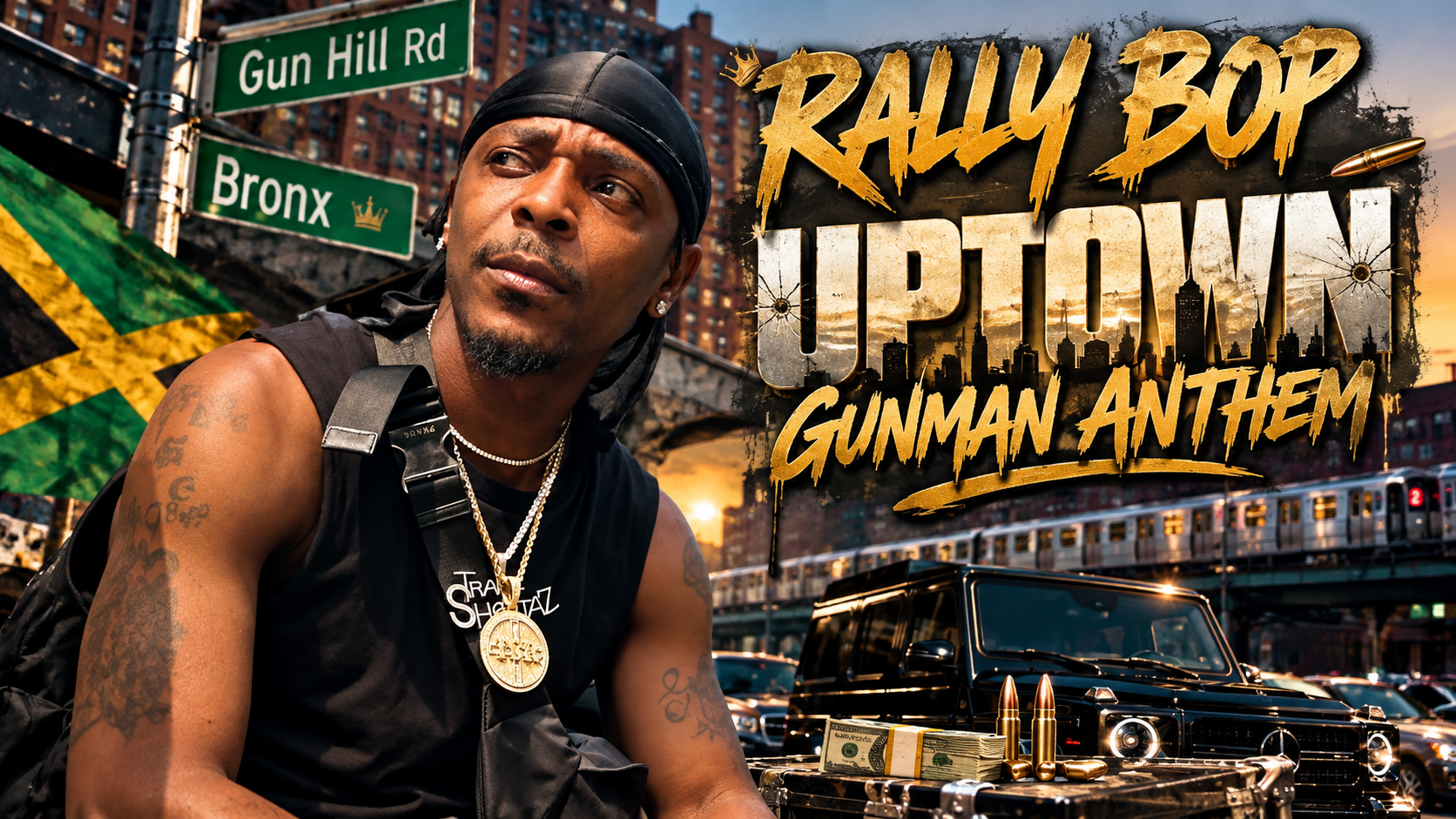 Uptown Gunman Anthem
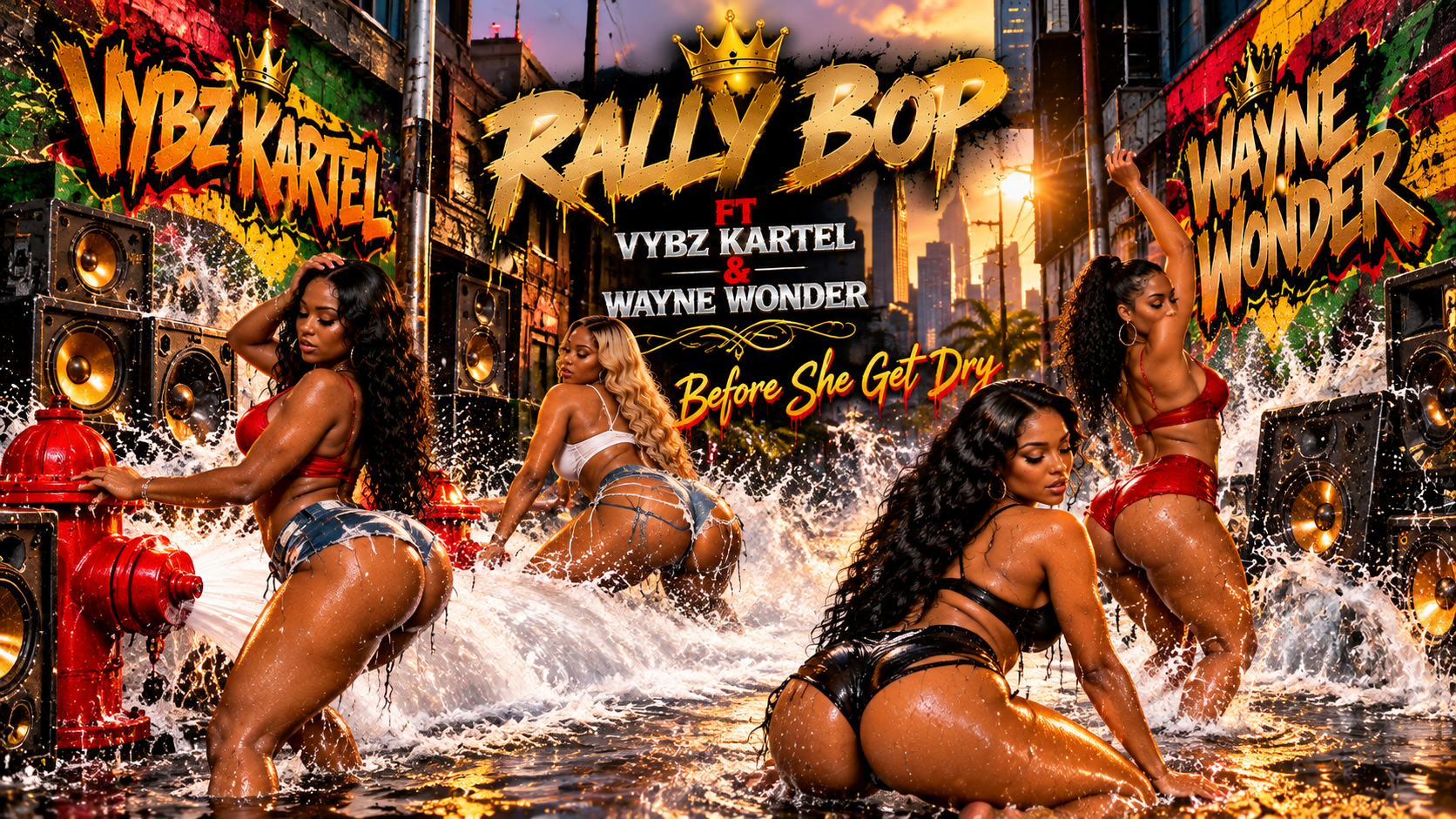 Before She Get Dry
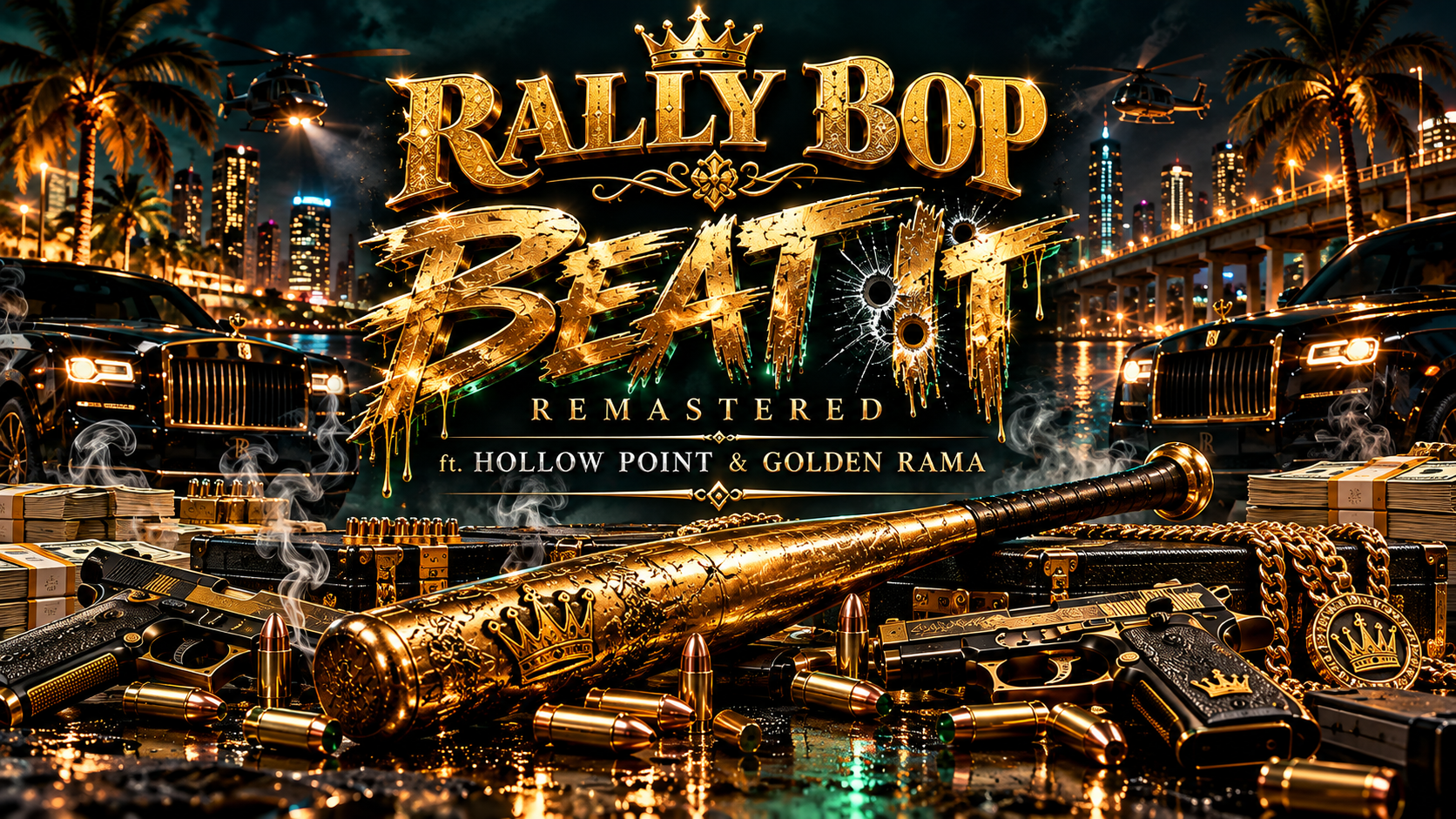 Beat It
 Rally Bop — Rally Bop Live
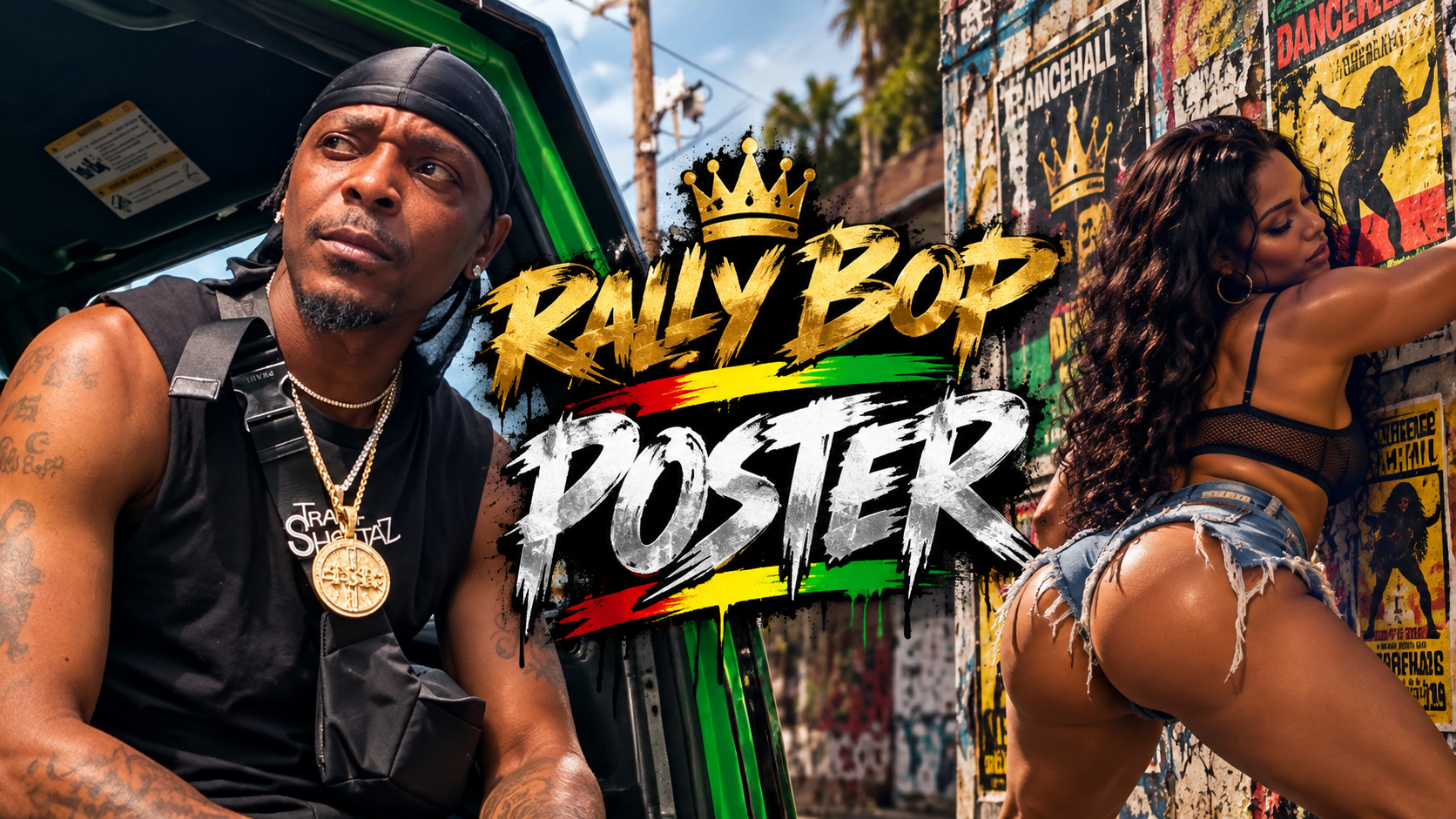 Poster
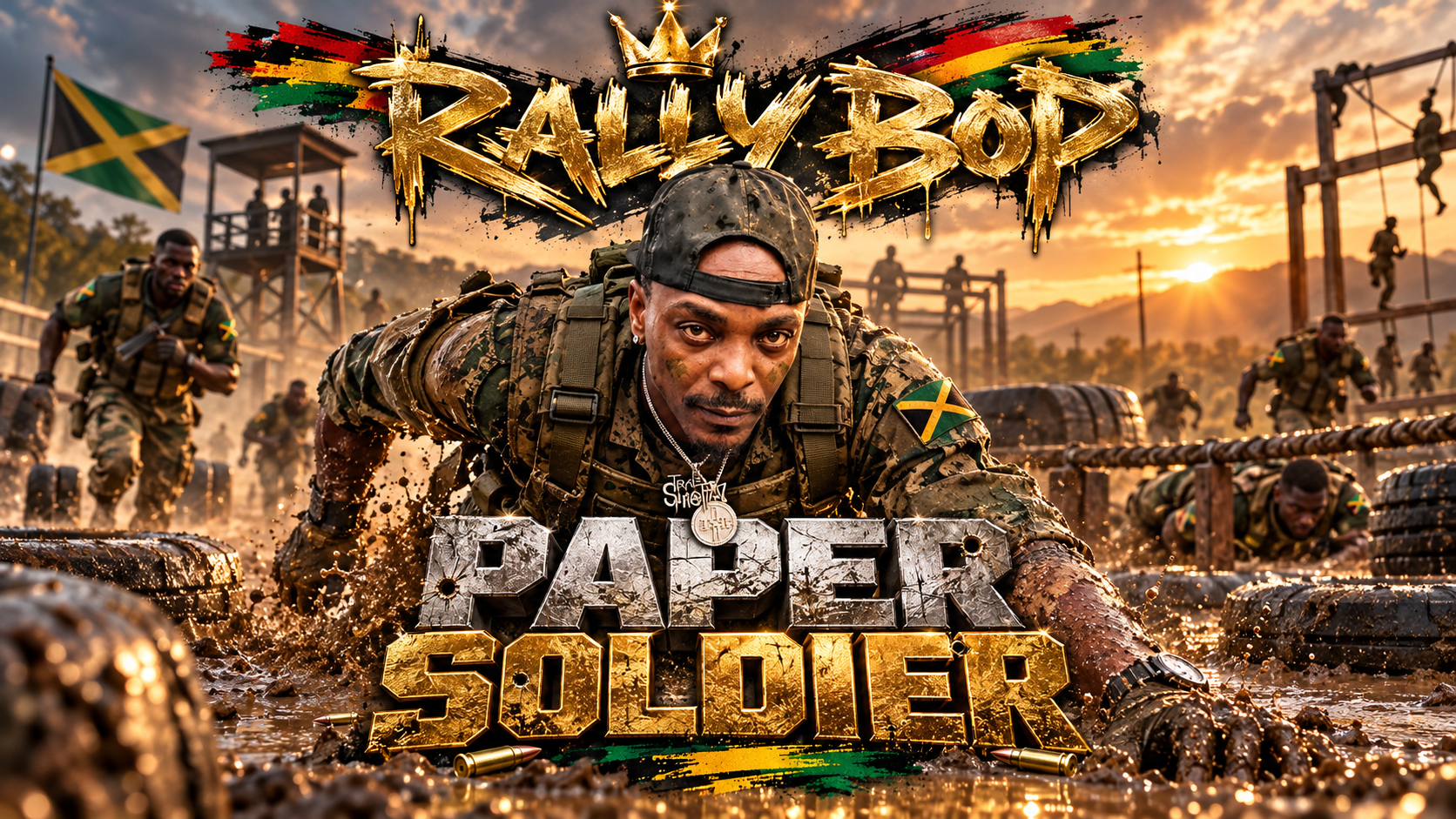 Paper Soldier
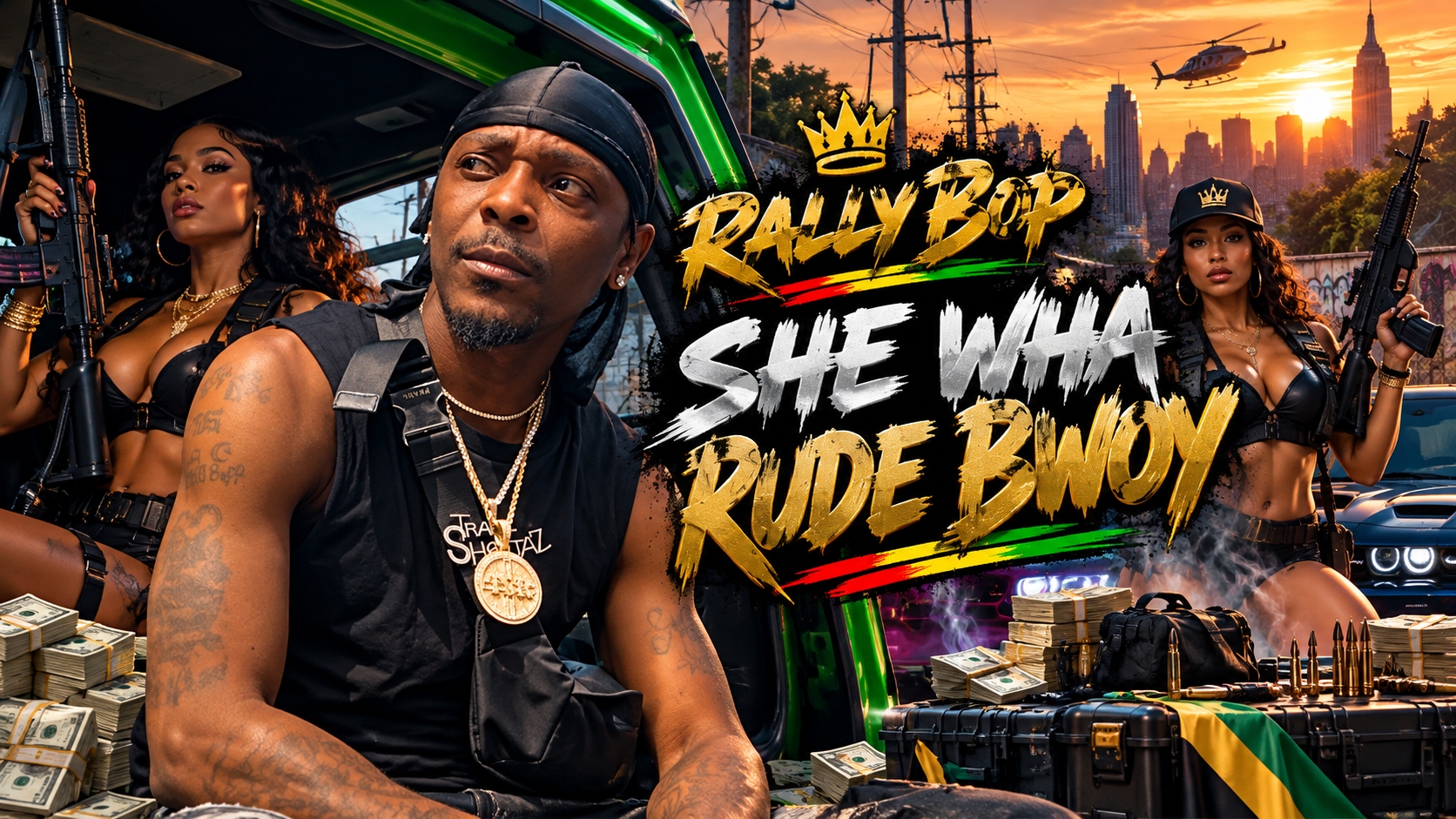 She Wha Rude Bwoy
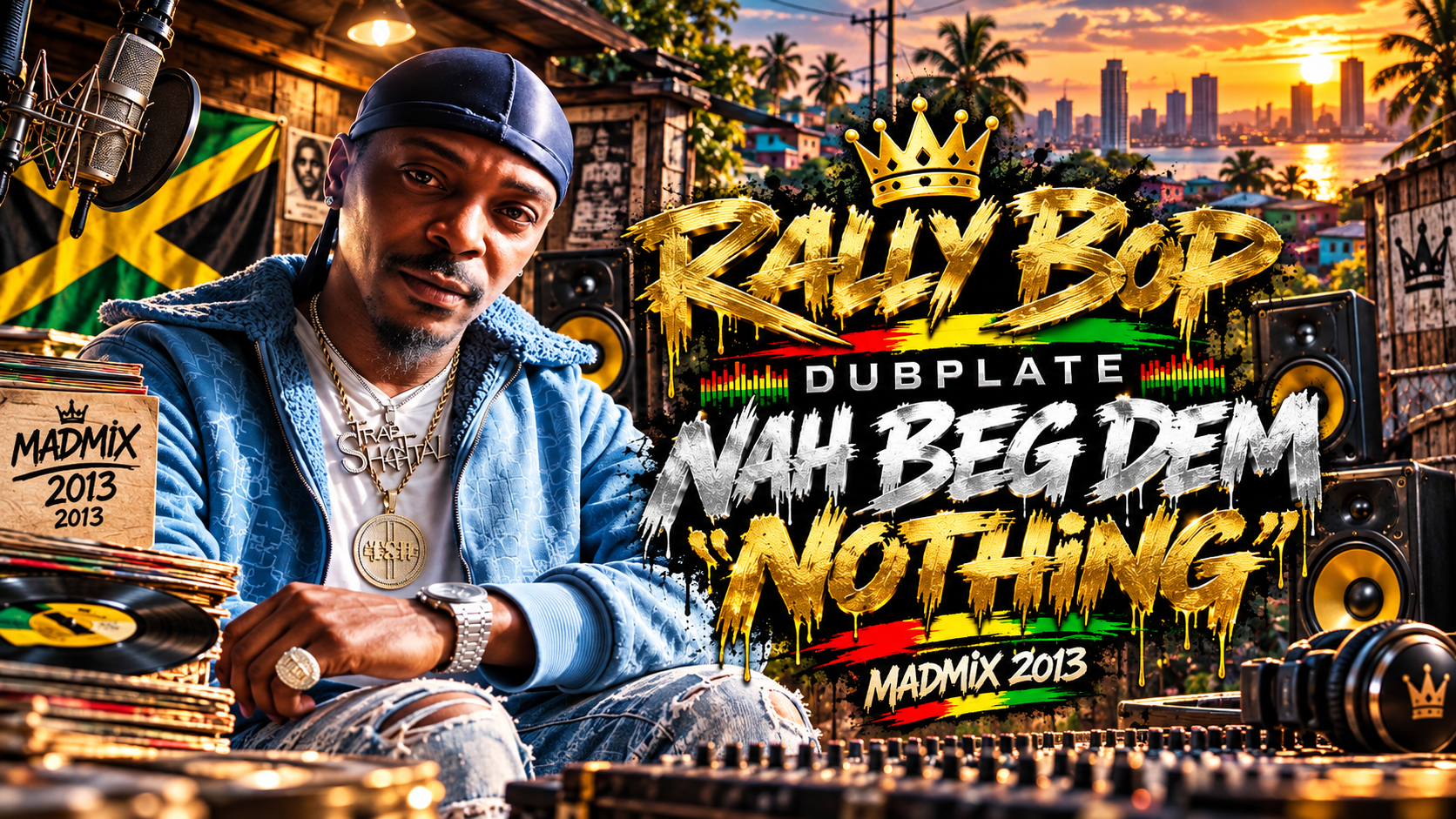 Nah Beg Dem Nothing
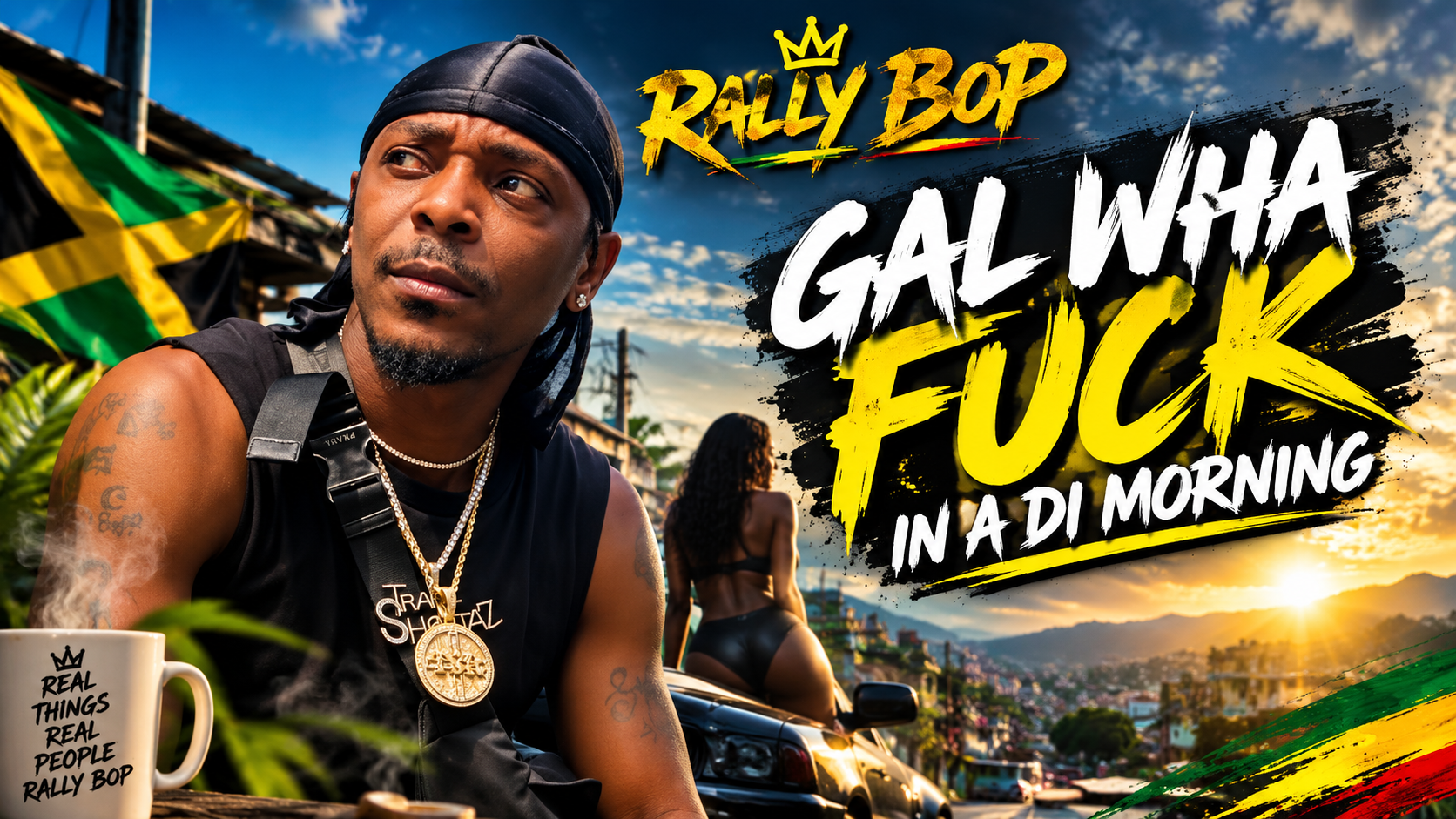 Gal Wha Fuck
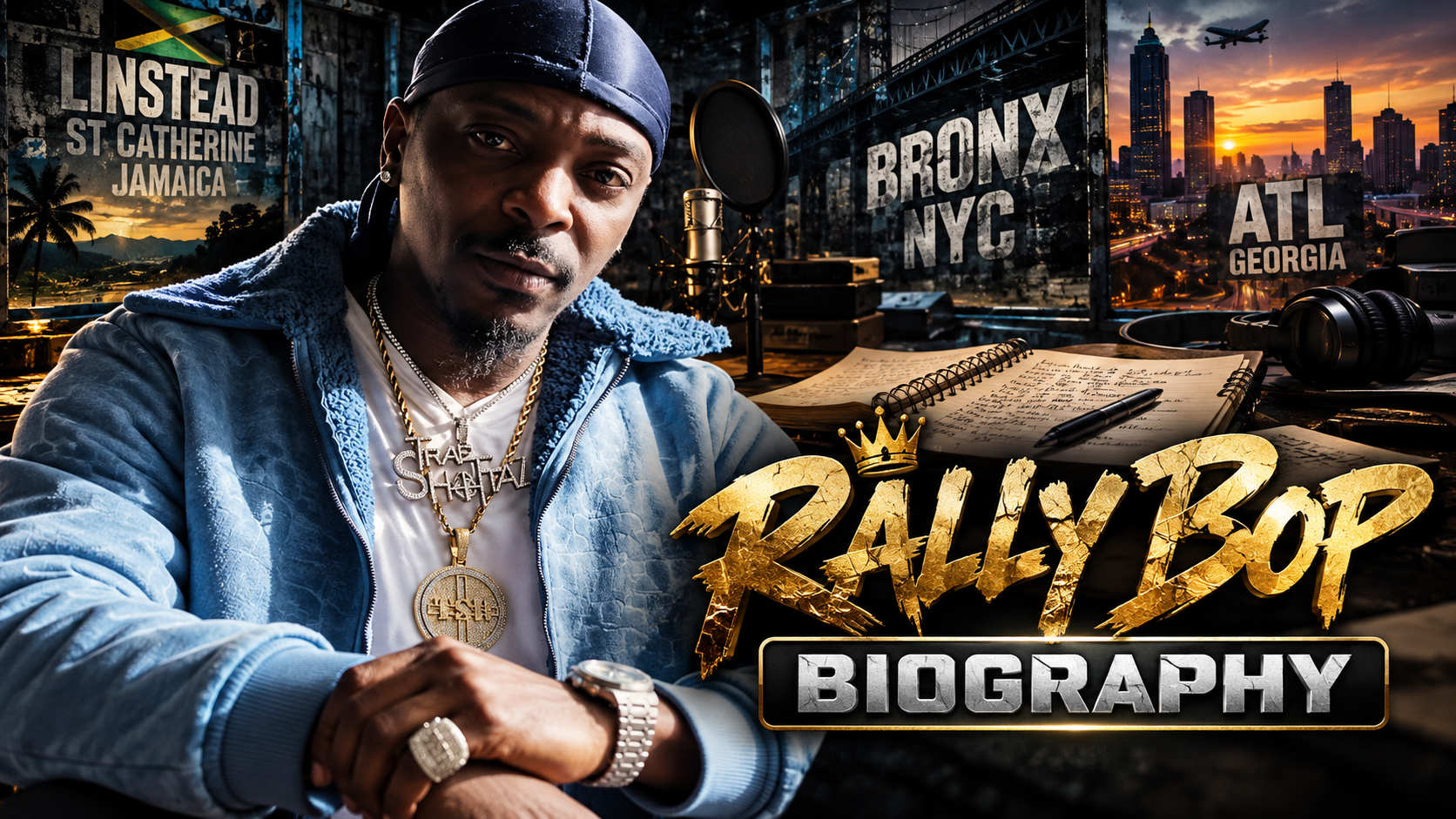 Rally Bop — Official Artist Biography
 Rally Bop Homepage
 Rally Bop Hub