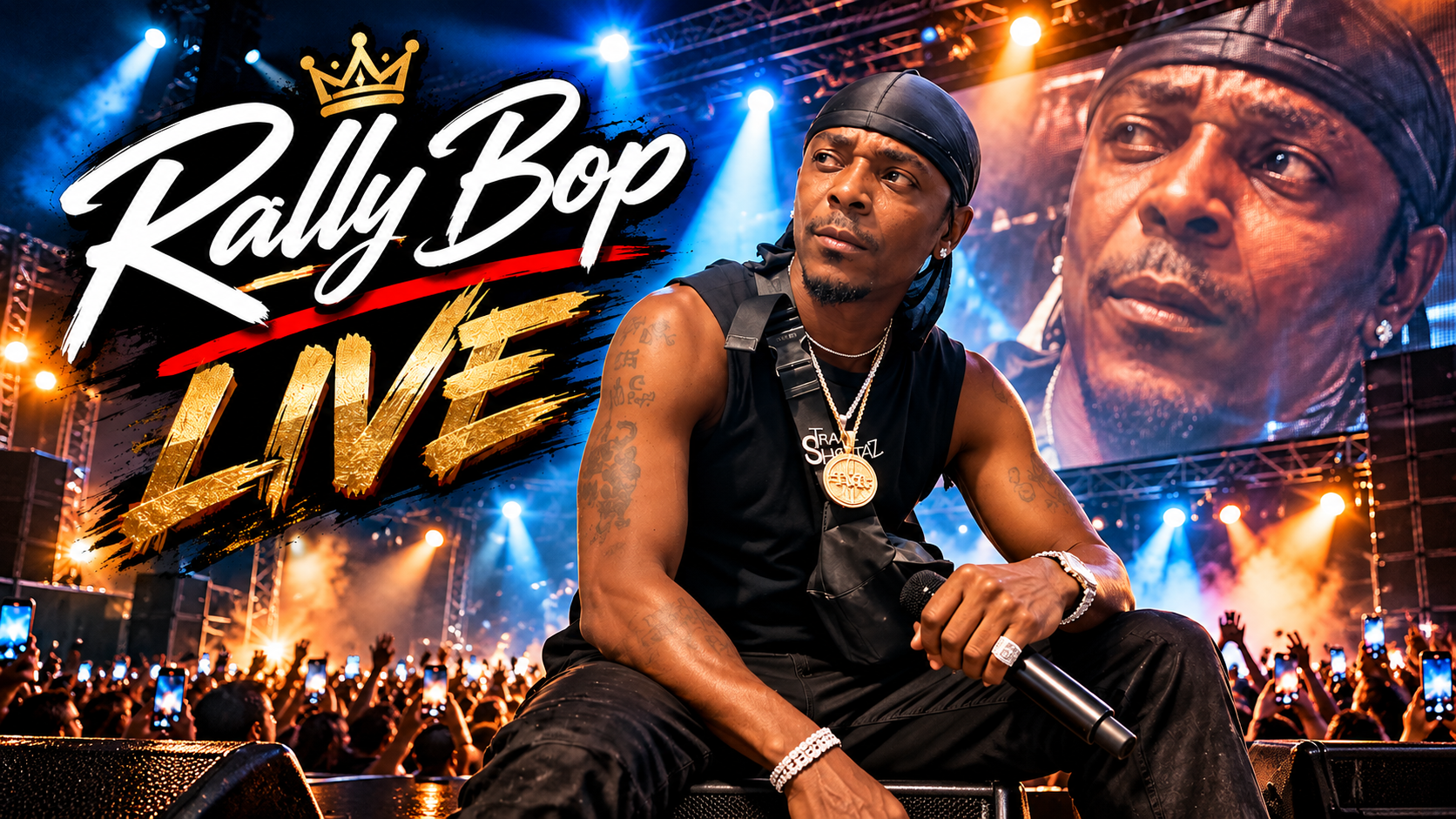
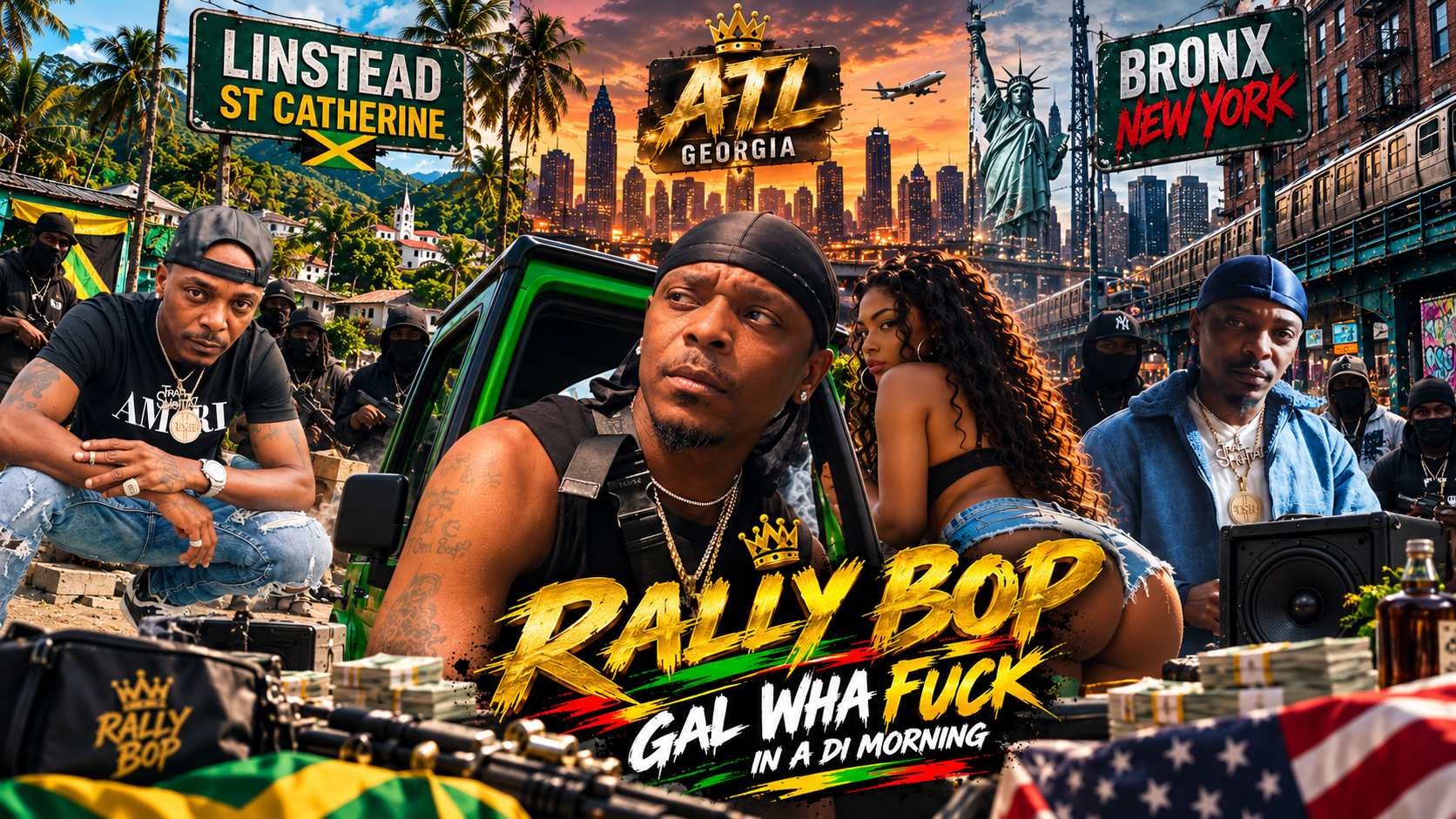
Rally Bop Live celebrates the connection between an independent recording artist and an audience. Drawing on Rally Bop's Jamaican roots and Bronx musical development, this editorial feature follows the atmosphere of a live-performance concept. It does not claim to document a specific concert, date or venue.
Explore — Rally Bop Live
Audio playback will be added when the official media source is verified.
Before audiences knew him as Rally Bop, he was Rohan Wilson, a young Jamaican from Linstead, St. Catherine.
By the age of twelve, he was already performing and writing poetry. Music became a way to express himself and develop his own voice.
His journey began long before the international recordings and concert stages.
Chapter 2 — Jamaica Gave Him His Foundation
Growing up in Jamaica meant growing up surrounded by the rhythms, stories and traditions of reggae and dancehall.
Rally Bop developed his artistic identity through those traditions, building a foundation that would travel with him beyond the island.
His early experiences prepared him for a career connecting Jamaica with Caribbean audiences overseas.
Chapter 3 — A New Chapter in New York
By 1995, Rally Bop was appearing at West Indian clubs in Queens, New York.
These performances connected him with Caribbean audiences who understood the music and expected artists to deliver.
By 1997, he was also recording with producers, adding studio experience to his developing stage career.
Chapter 4 — The Stage Becomes His Classroom
Live performance became an important part of Rally Bop's musical journey.
New York promotional accounts associated him with events including the Westchester Reggae Festival, Reggae Carifest and Irie Jamboree.
Those promotional accounts also described appearances alongside established performers including Damian Marley, Elephant Man and Sizzla. Individual dates for some appearances remain to be verified.
Each opportunity represented another step in a career built through performance, recording and persistence.
Chapter 5 — Irie Jamboree — Queens, 2009
In 2009, Rally Bop performed at Irie Jamboree in Jamaica, Queens.
A QueensBuzz journalist documented the event and reported seeing Rally Bop after his performance, photographing him backstage with his entourage.
This surviving firsthand account preserves an important moment in his New York performance history.
Not every stage appearance from that era was recorded online. Contemporary concert reporting helps preserve the history.
Chapter 6 — Canada — The JUNO Award Nomination
In 2006, Rally Bop's recording career reached an important Canadian music-industry milestone.
His collaboration with Canadian recording artist Carl Henry, "Hot Gal," was nominated for Reggae Recording of the Year at the JUNO Awards.
The official JUNO Awards records identify Carl Henry featuring Rally Bop on the nominated recording.
According to firsthand information provided for this biography, Rally Bop travelled to Canada for the awards occasion. Independent documentation of his attendance has not yet been located.
The nomination did not result in a category win, but it remains a documented achievement in his international recording career.
Chapter 7 — The Work Continues
Rally Bop's career continued through different stages of recording, performing and artistic development.
His musical history also includes work under the name Trap Shotta Rally.
In 2023, Jamaican entertainment publications covered his album "Patience," bringing renewed attention to his recording career.
The journey reflects years of persistence rather than a single moment of recognition.
Chapter 8 — From Childhood Performer to International Artist
Rally Bop's story began with a young Jamaican writing poetry and performing at twelve.
It continued through Queens clubs, reggae festivals, recording sessions and an internationally recognized Canadian collaboration.
Some performances are preserved through articles, recordings and photographs. Others remain part of the memories of audiences who attended.
His story deserves to be documented accurately, with the surviving evidence preserved for future generations.
Rally Bop — the journey continues.
Five Lessons from Rally Bop Live
Lesson 1 — Talent Needs Development
Starting young creates an opportunity, but practice and experience build the performer.
Lesson 2 — Culture Travels With the Artist
Jamaican music connects communities far beyond the island.
Lesson 3 — Live Performance Matters
The stage is an important part of an artist's education and legacy.
Lesson 4 — Recognition Takes Many Forms
Festival appearances, collaborations and nominations contribute to a documented career.
Lesson 5 — Preserve the History
Photographs, flyers, recordings and firsthand accounts protect moments from being forgotten.
10 Questions & Answers
1. Where did Rally Bop grow up?
Linstead, St. Catherine, Jamaica.
2. At what age did he begin performing?
By the age of twelve.
3. Which New York borough was important to his early overseas career?
Queens.
4. What year was he recording with producers?
By 1997.
5. Which 2009 festival documented his live performance?
Irie Jamboree in Jamaica, Queens.
6. Which Canadian artist collaborated with Rally Bop?
Carl Henry.
7. What was their nominated song?
Hot Gal.
8. What award category received the nomination?
Reggae Recording of the Year at the 2006 JUNO Awards.
9. What was the title of his 2023 album?
Patience.
10. Why preserve old concert reports?
They document performances and help protect musical history.
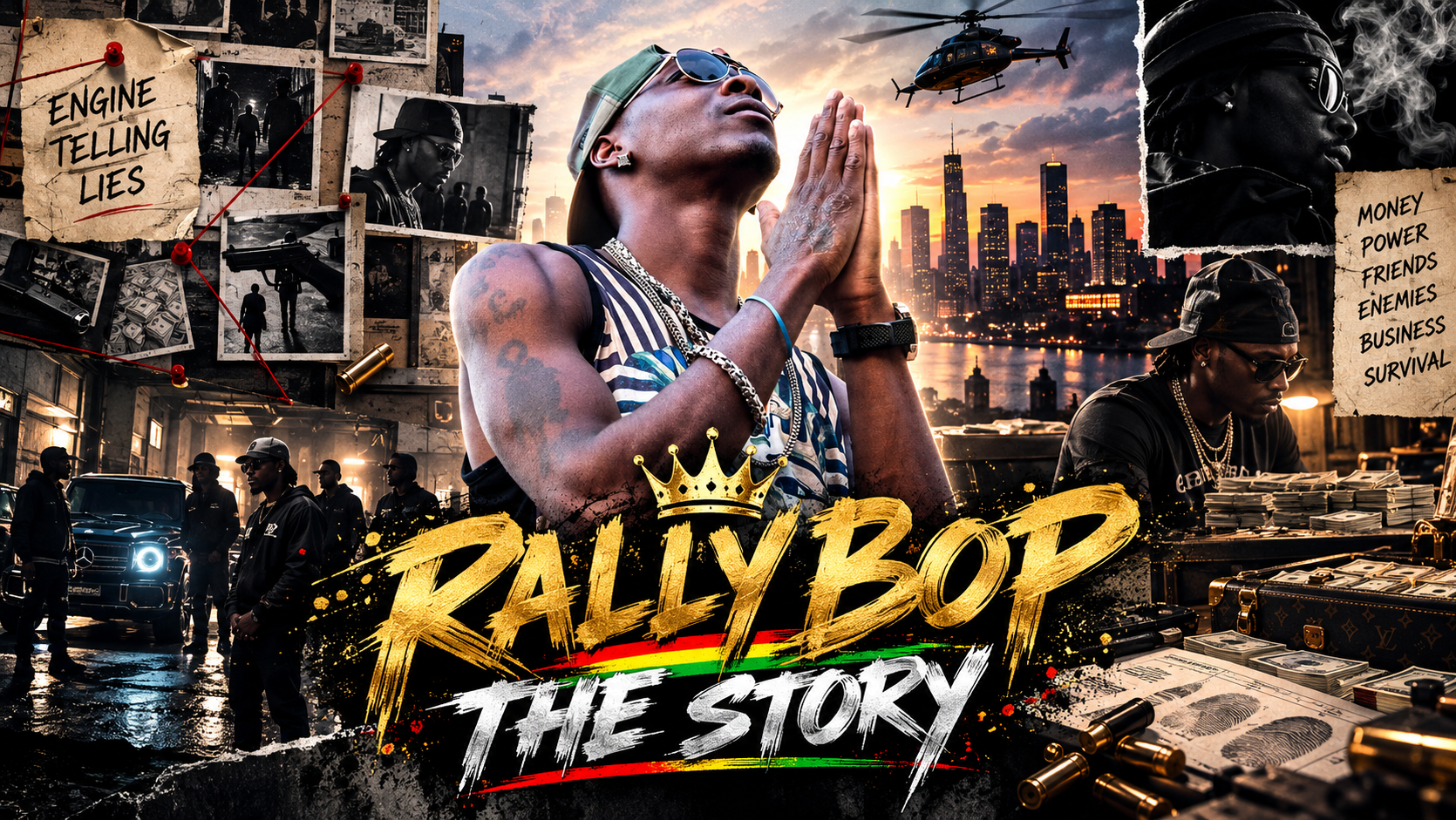 The Story — Rally Bop
 Everyday
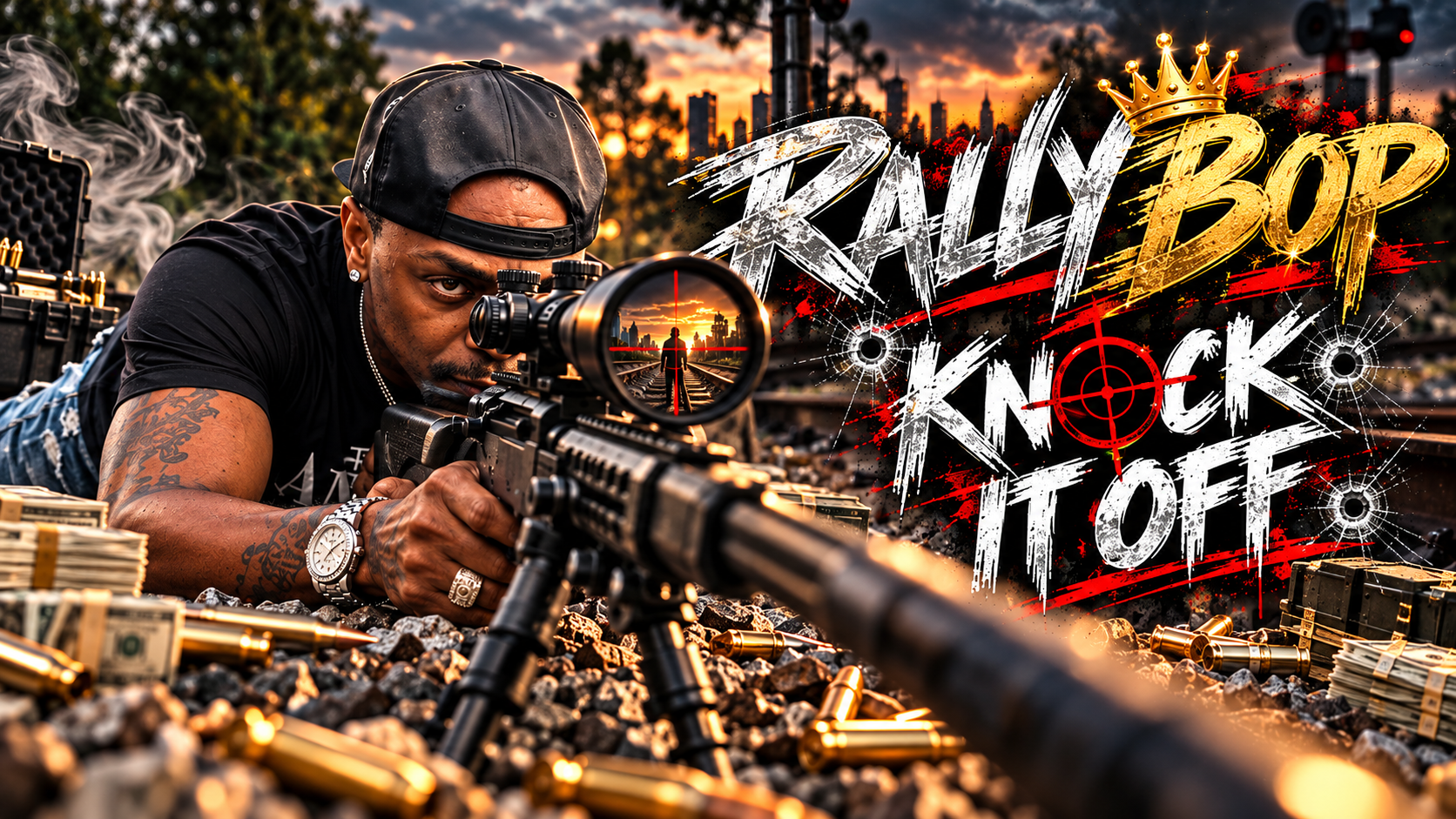 Knock It Off
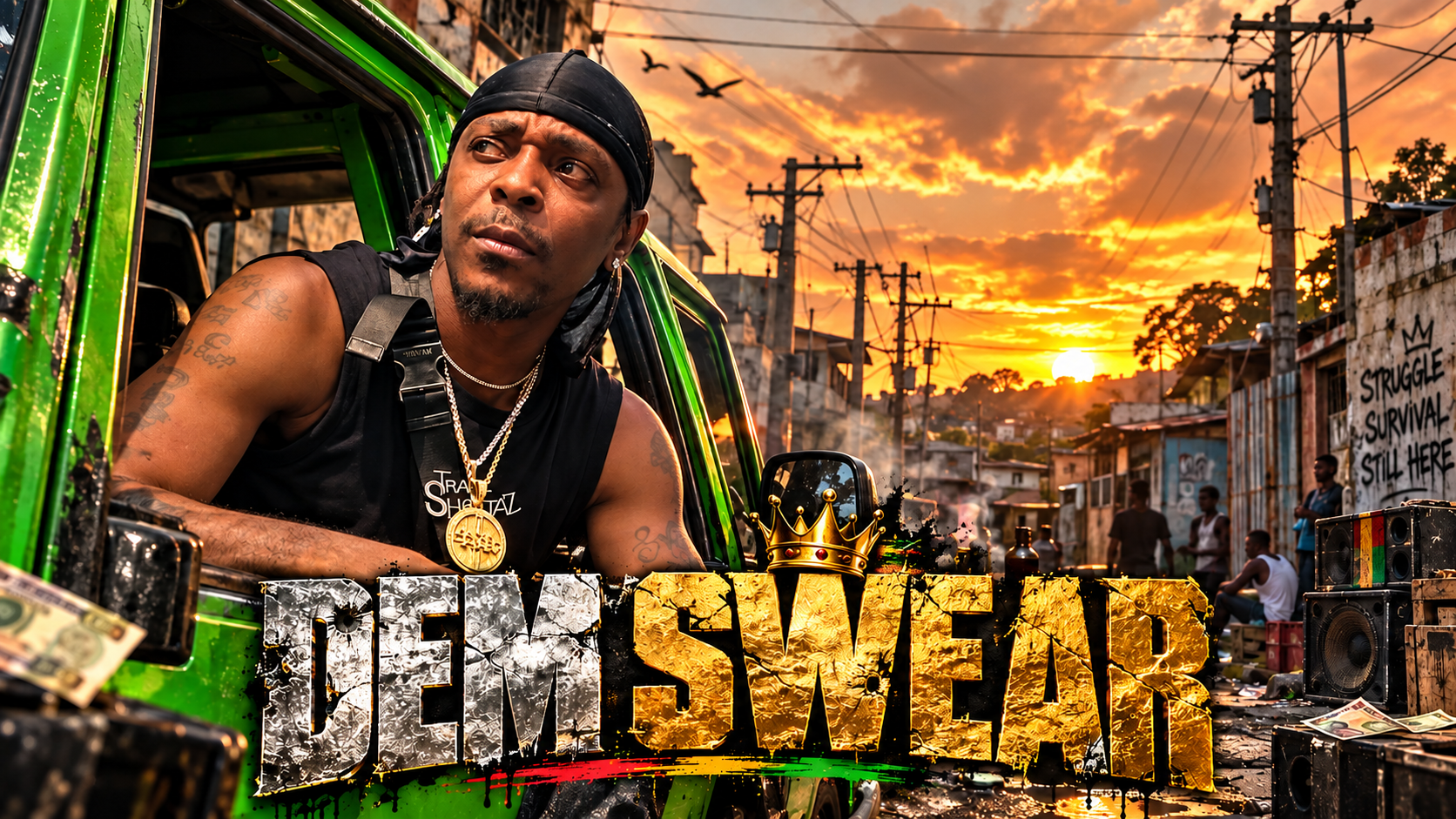 Dem Swear
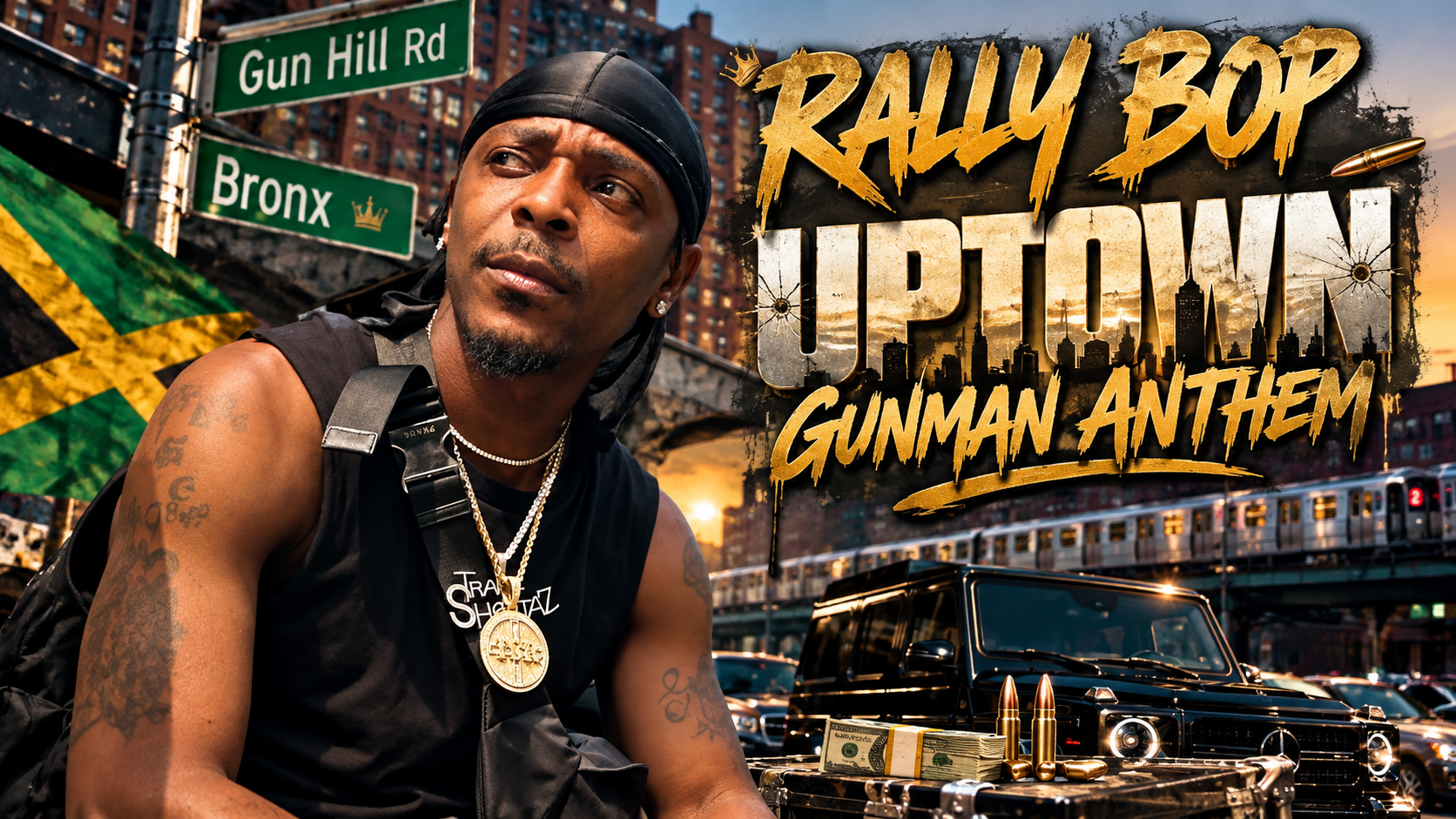 Uptown Gunman Anthem
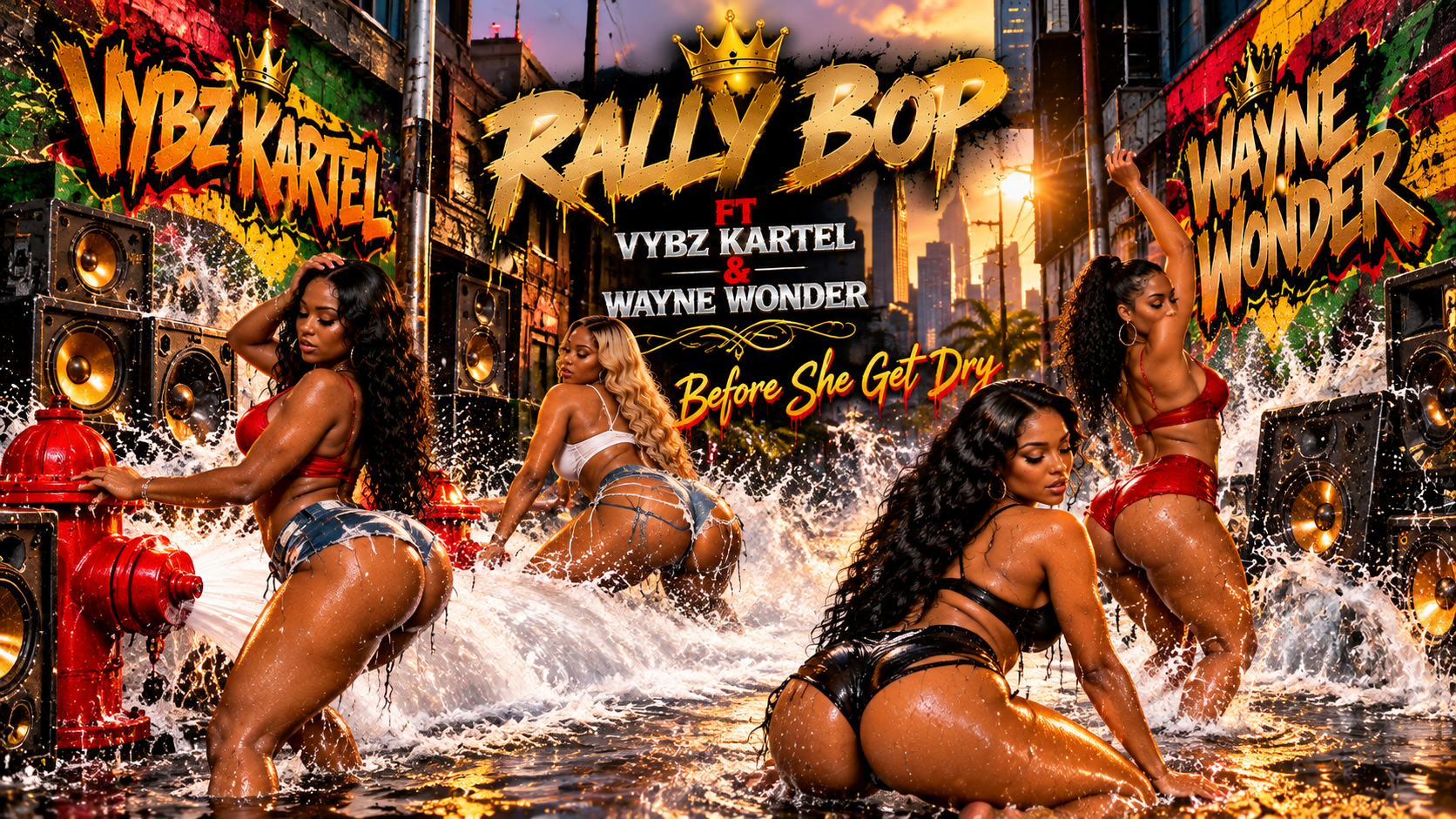 Before She Get Dry
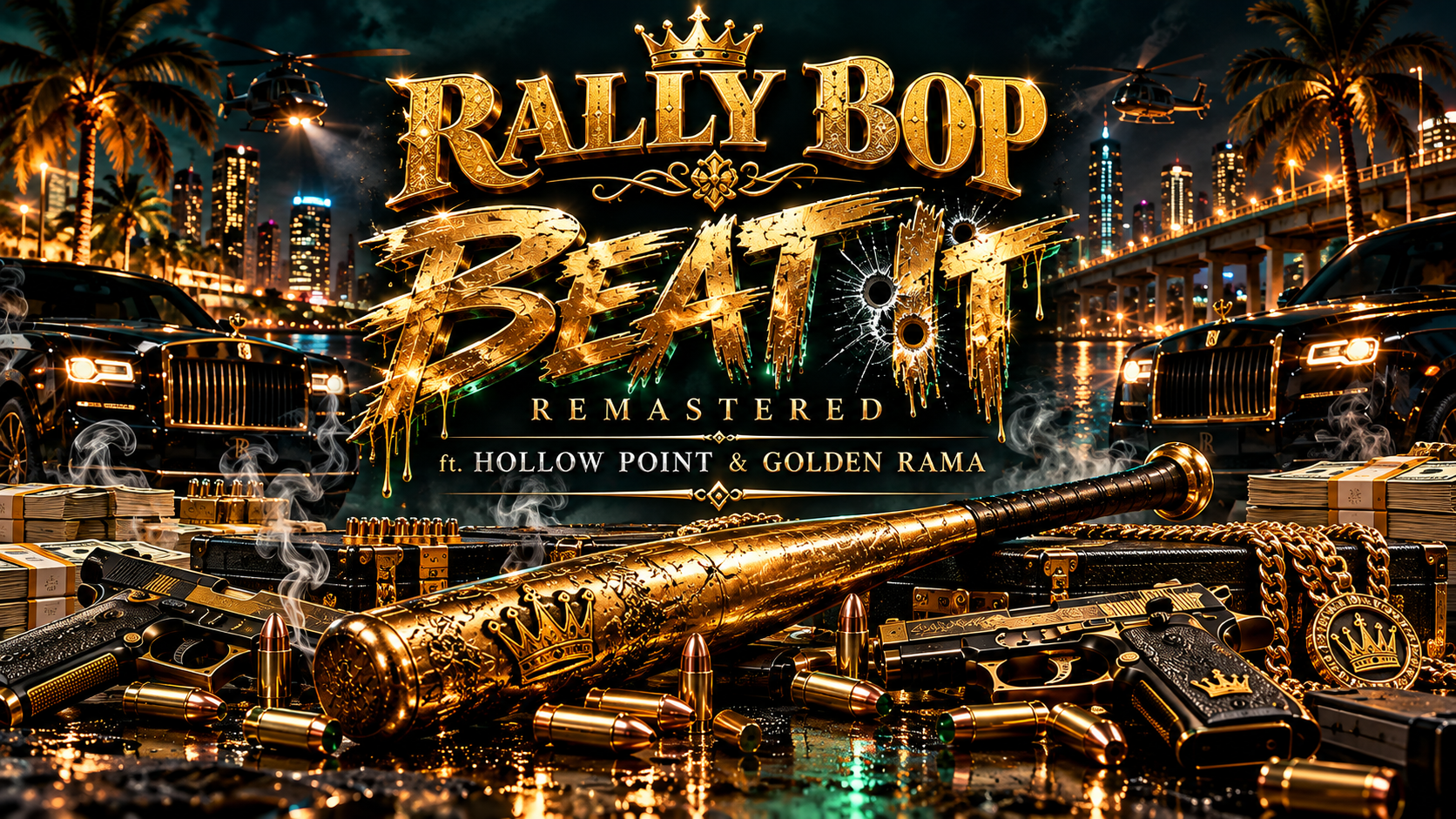 Beat It
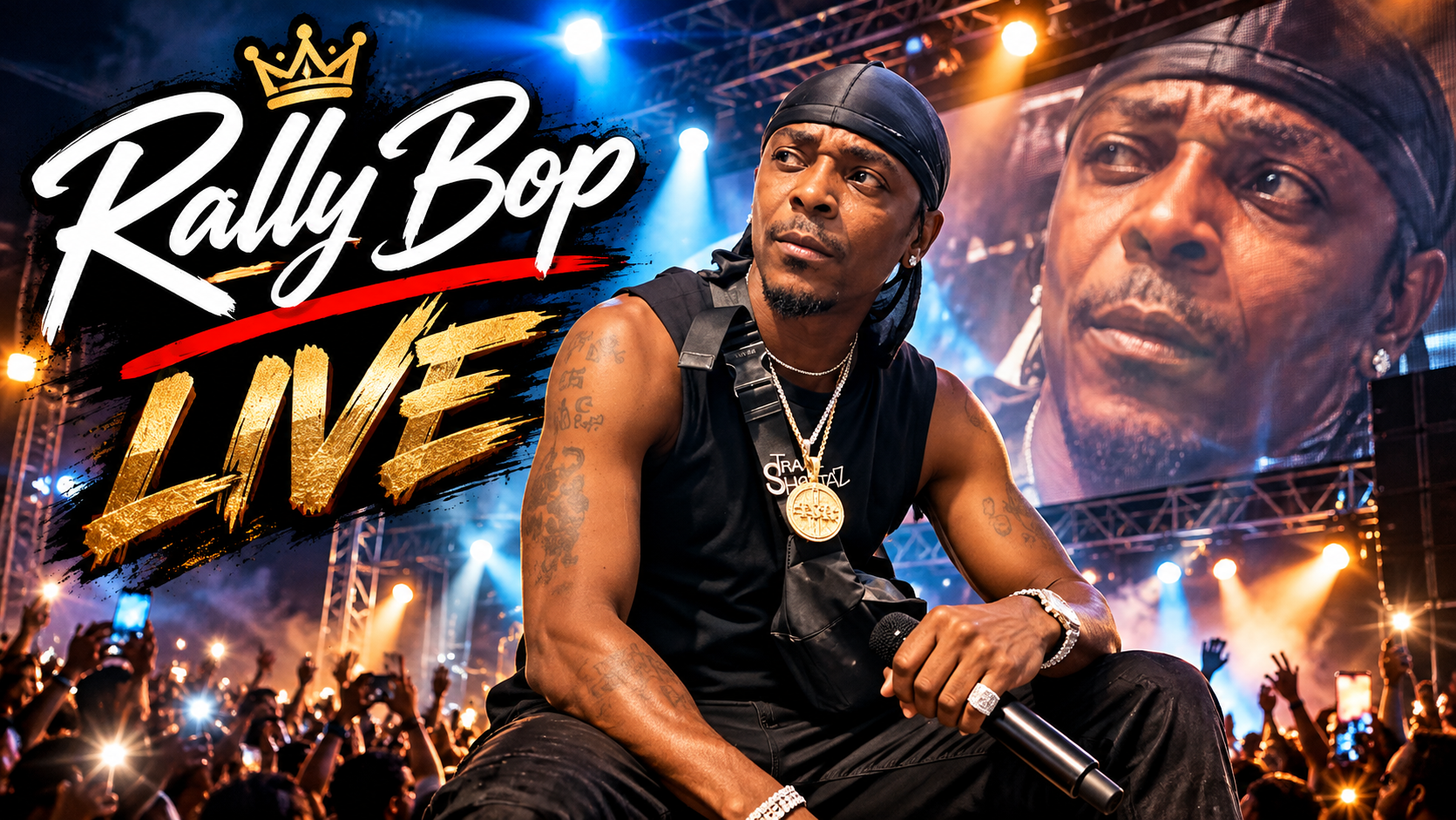 Rally Bop — Rally Bop Live
 Poster
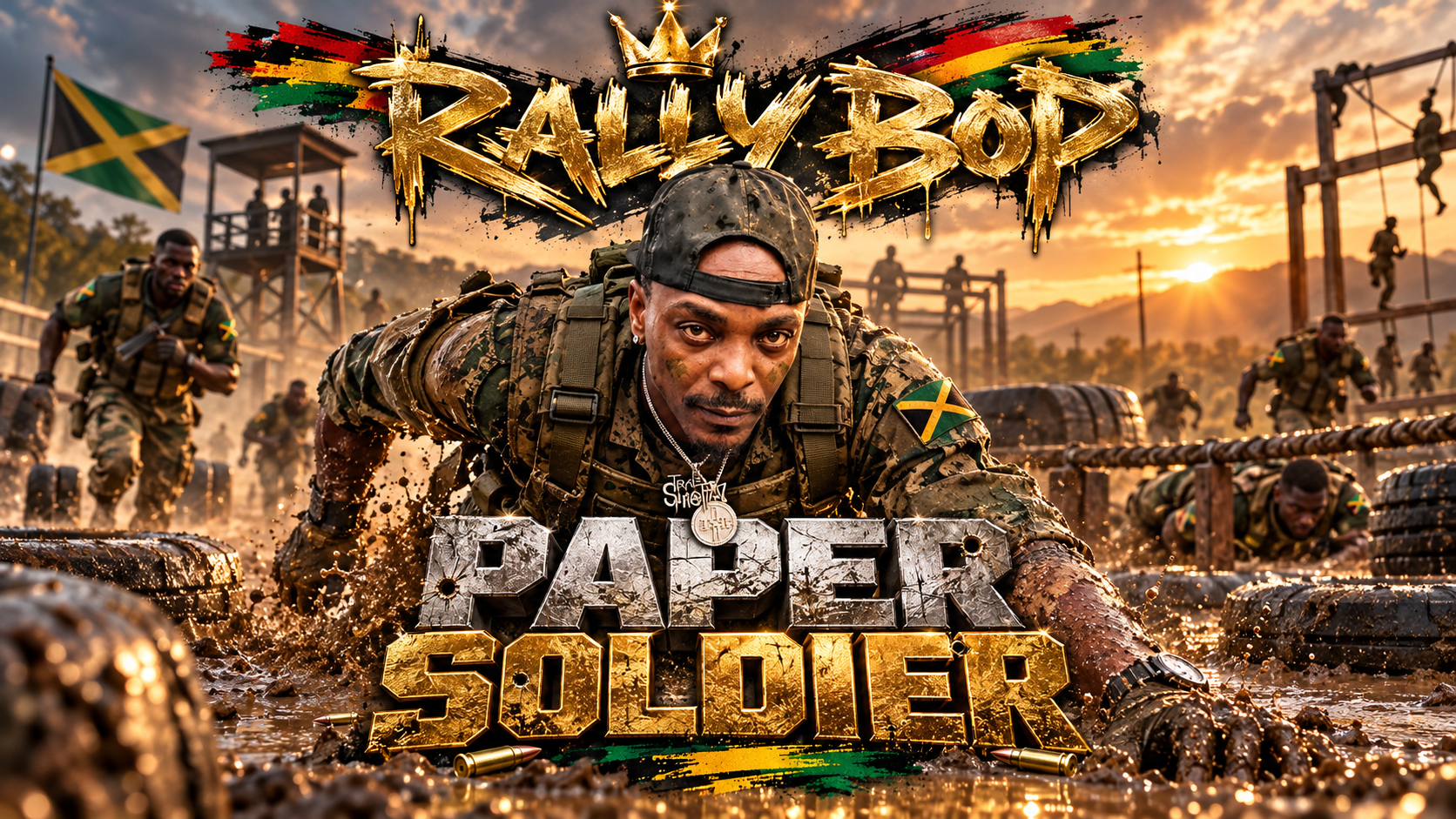 Paper Soldier
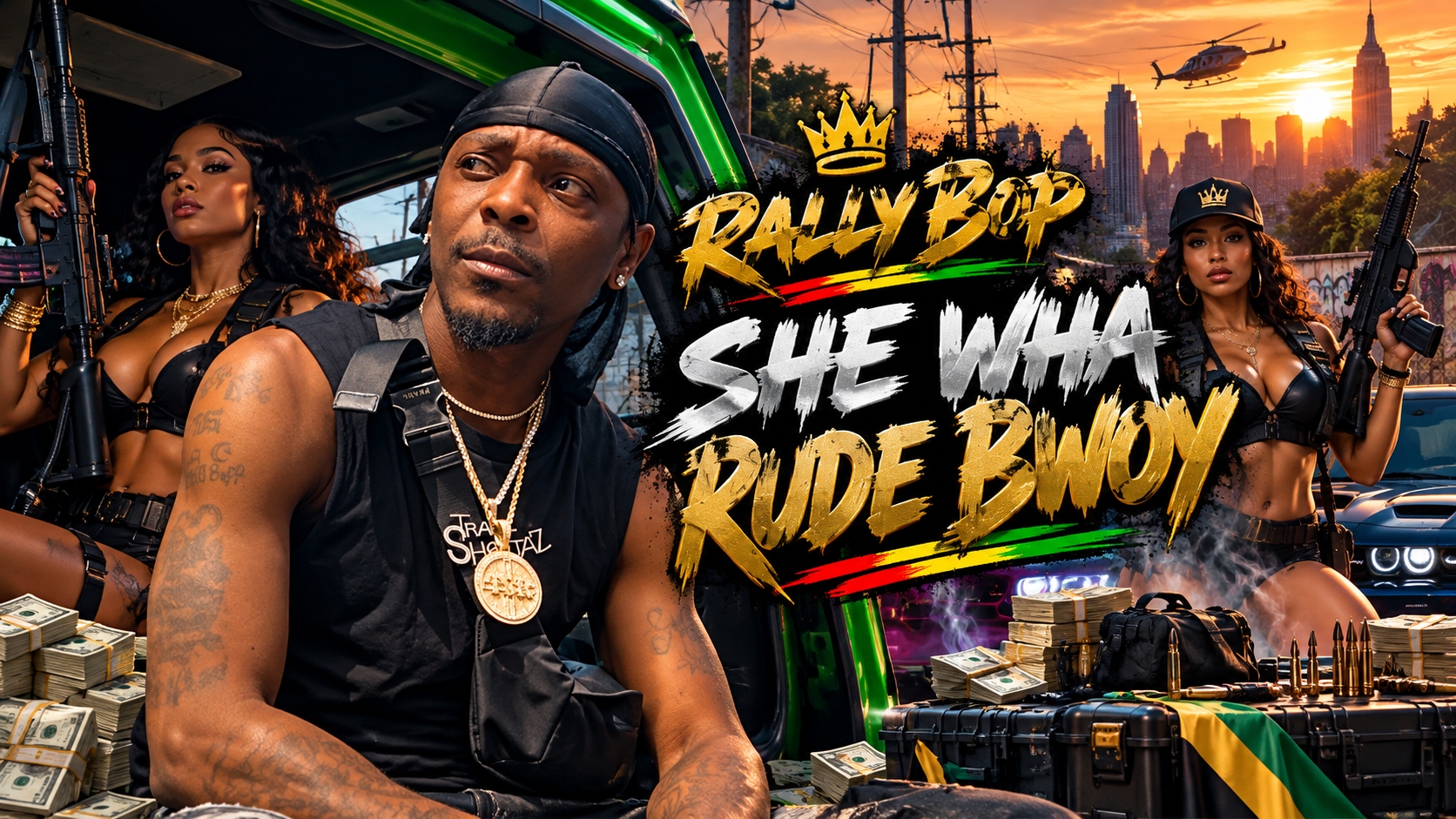 She Wha Rude Bwoy
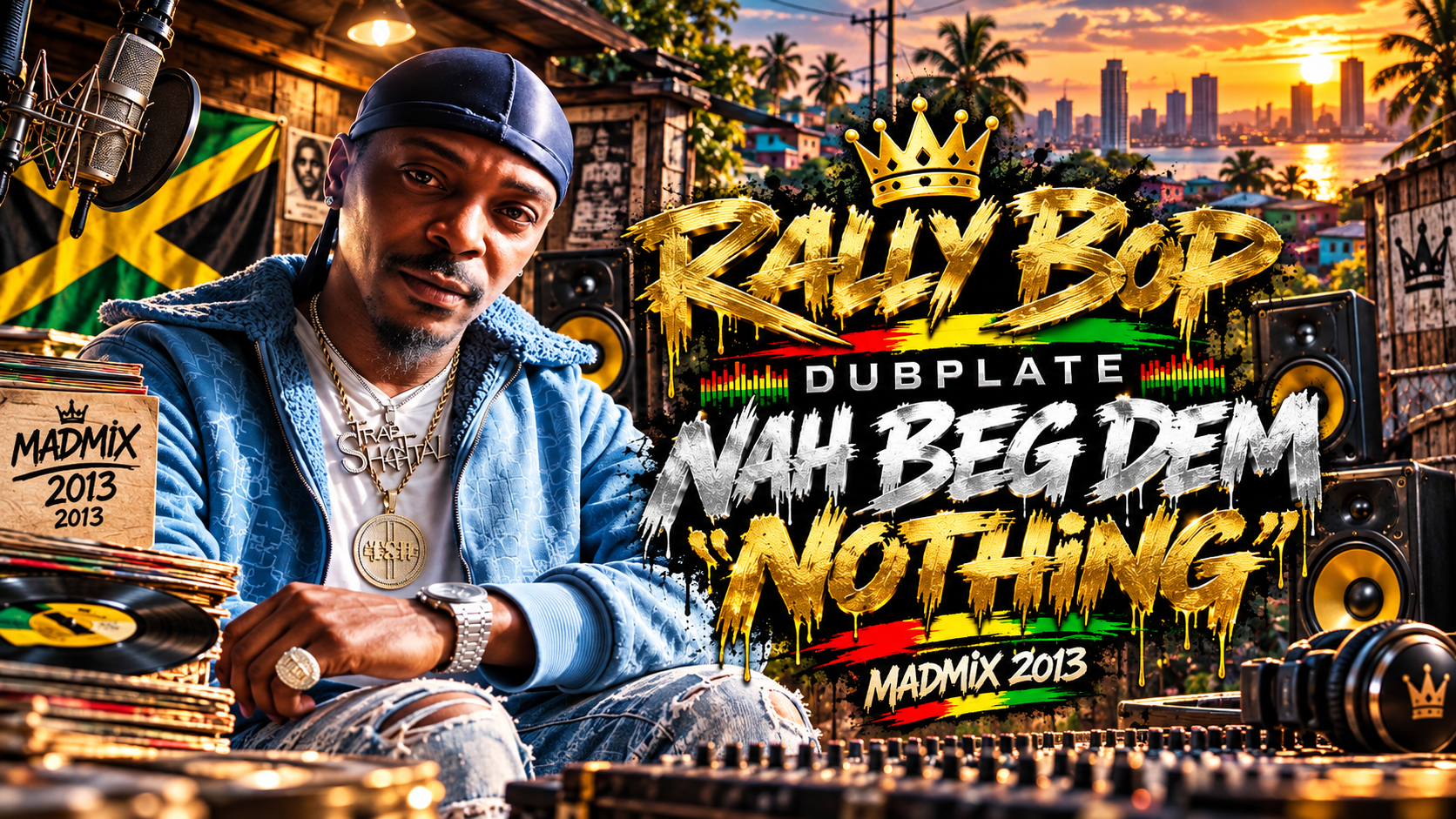 Nah Beg Dem Nothing
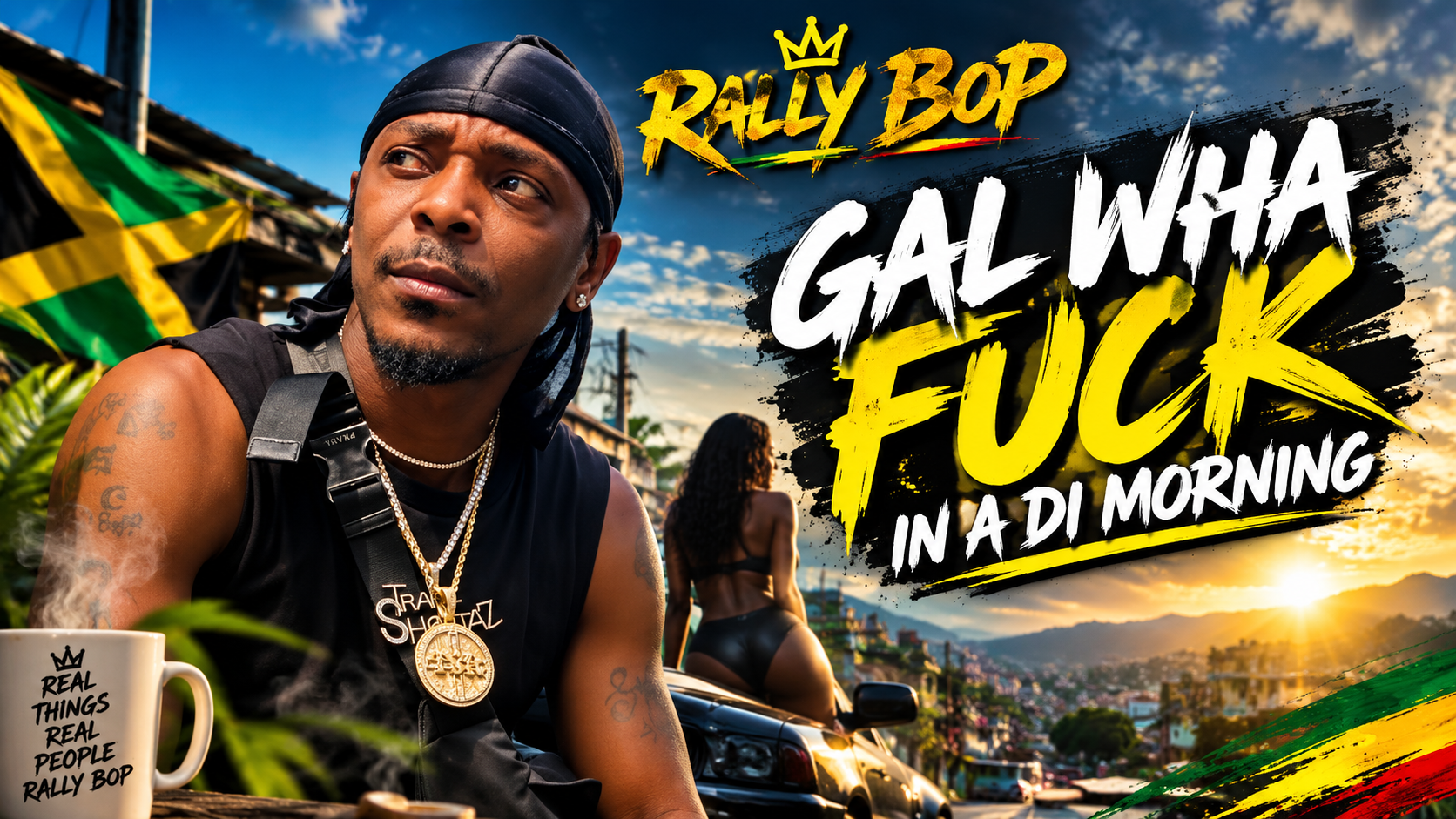 Gal Wha Fuck
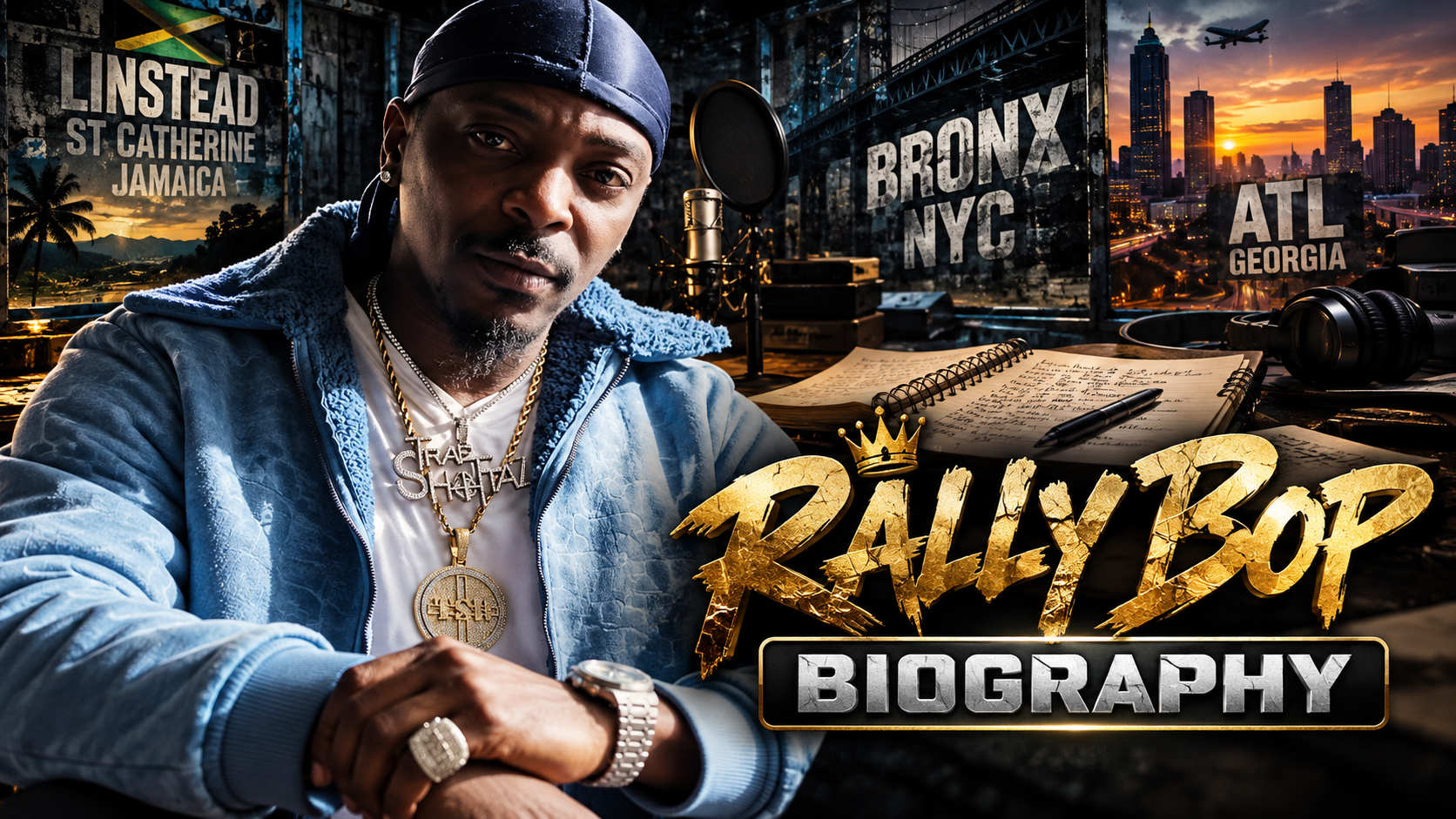 Rally Bop — Official Artist Biography
 Rally Bop Homepage
 Rally Bop Hub